
introduction
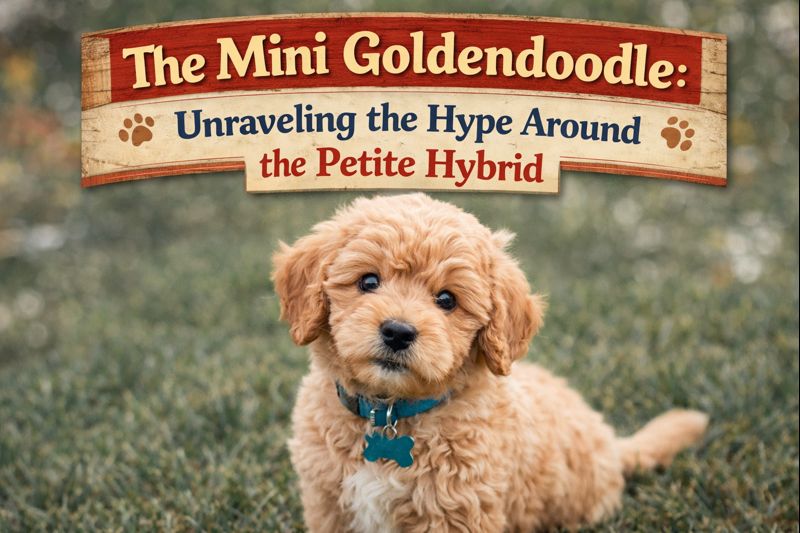
In the ever-evolving world of designer dogs, few breeds have captured hearts and dominated social media feeds quite like the Mini Goldendoodle. A pint-sized package of the beloved Golden Retriever’s temperament and the Poodle’s famed intelligence and low-shedding coat, this hybrid represents a carefully curated blend of desirable traits. But beyond the adorable curls and Instagram-ready smiles lies a complex reality of genetics, care requirements, and responsible ownership. This deep dive into the Mini Goldendoodle separates the enduring appeal from the everyday considerations, offering a comprehensive look at what life with this popular hybrid truly entails.
A Tail of Two Breeds: Origins and Design
The Mini Goldendoodle is not a purebred dog but a deliberate crossbreed, typically resulting from a mating between a Miniature Poodle and a Golden Retriever. Sometimes, to achieve the smaller size, breeders will use a smaller Poodle or breed a standard Goldendoodle down over generations. The goal of this hybridization, which gained significant traction in the 1990s and 2000s, was to combine the best of both worlds: the gentle, friendly, and trainable nature of the Golden Retriever with the Poodle’s sharp intellect, hypoallergenic qualities, and more compact size.
This “design” aimed to create an ideal family companion, especially for those living in smaller homes or with mild allergies, who yearned for the Golden Retriever personality in a more manageable package. The result is a dog that generally stands between 13 to 20 inches at the shoulder and weighs 15 to 35 pounds, though size can vary significantly depending on the specific breeding line.
The Allure: Why the Mini Goldendoodle Captivates
The popularity of the Mini Goldendoodle is no accident; it’s built on a foundation of highly sought-after characteristics.
First and foremost is their celebrated temperament. These dogs are widely known for being affectionate, social, and remarkably people-oriented. They typically inherit the Golden’s unwavering loyalty and the Poodle’s eager-to-please attitude, making them excellent companions for families, singles, and seniors alike. Their intelligence, drawn from both parent breeds, means they are highly trainable and often excel in obedience, agility, and even therapy work.
Their coat is a major draw. While no dog is 100% hypoallergenic, Mini Goldendoodles often have low-shedding, curly, or wavy coats that produce less dander, making them a better option for many allergy sufferers. Their fur can range from loose waves to tight curls and comes in a variety of colors, including cream, gold, red, chocolate, and parti-colors.
Furthermore, their adaptable size makes them suitable for various living situations. They are sturdy enough to enjoy hiking and play but compact enough to thrive in apartments or homes without vast yards, provided their exercise needs are met.
Beyond the Curls: The Realities of Ownership
While the pros are compelling, prospective owners must enter into Mini Goldendoodle ownership with clear eyes. The very hybrid vigor that gives them robustness also leads to variability and specific demands.
The Genetic Lottery: Perhaps the most significant consideration is predictability—or lack thereof. As a crossbreed, even within the same litter, puppies can vary dramatically in size, coat type (some may shed like a Golden, others not at all), and temperament. You may not get the exact mix of traits you envisioned. Reputable health testing of both parent breeds is non-negotiable, as they can be predisposed to issues from both sides, including hip dysplasia, certain eye conditions, and allergies.
Grooming is a Commitment, Not an Option: The phrase “low-shedding” is often misinterpreted as “low-maintenance.” Nothing could be further from the truth. That beautiful, non-shedding coat mats and tangles with ease. It requires thorough brushing several times a week and professional grooming every 4-8 weeks. Neglecting this leads to painful matting, skin infections, and the need for a full shave-down. The cost and time investment of grooming are substantial and lifelong.
Energy and Intelligence: A Dual-Edged Sword: A smart, energetic dog needs both physical and mental stimulation. A bored Mini Goldendoodle is a destructive Mini Goldendoodle. They are not content with a short walk around the block. They require daily exercise, playtime, and training sessions to challenge their minds. Without this engagement, they may develop anxiety, nuisance barking, or compulsive behaviors.
The Social Butterfly Requirement: Bred as companions, these dogs crave being part of the family. They do not do well left alone for long hours regularly. They thrive on interaction and can suffer from separation anxiety if not properly acclimated to alone time from puppyhood. Early and ongoing socialization with people, other dogs, and various environments is crucial to prevent timid or fearful behaviors.
Is a Mini Goldendoodle Right for You?
Choosing to bring a Mini Goldendoodle into your life is a decision that should be grounded in lifestyle alignment, not just aesthetic appeal.
Your Ideal Home if:
- You have an active lifestyle and can provide at least 60 minutes of engaged activity daily.
- You understand and can budget for high grooming costs (both time and money).
- You are home often or can make arrangements for your dog’s social needs.
- You are committed to positive-reinforcement training and mental enrichment.
- You value a velcro dog who wants to be involved in every aspect of your day.
You Should Reconsider if:
- You want a low-maintenance, “wash-and-wear” pet.
- Your budget is tight, and grooming expenses would be a strain.
- You are away from home for 8+ hours a day regularly.
- You desire a predictable size, coat, and temperament with certainty.
- You are not prepared for the potential challenges of a highly social and intelligent dog.
The Path to Responsible Ownership
If you decide a Mini Goldendoodle is your perfect match, the single most important step is finding a responsible, ethical breeder. Avoid pet stores and online brokers. A reputable breeder will:
- Health test both parent dogs for breed-specific issues (e.g., OFA hips, elbows, eye certifications).
- Raise puppies in a home environment with early neurological stimulation and socialization.
- Be transparent about the breed’s challenges and interview you thoroughly.
- Provide a health guarantee and take back the dog at any point in its life if you cannot keep it.
- Allow you to meet the puppy’s parents.
Alternatively, consider adoption or rescue. As the breed’s popularity has soared, so have numbers in shelters and breed-specific rescues. Adopting an adult dog can also give you more clarity on its final size, coat, and personality.
The Final Verdict
The Mini Goldendoodle is more than a passing trend; it is a testament to the desire for a specific kind of canine companion: smart, loving, adaptable, and allergy-friendly. Their charm is real and well-earned. However, they are not a magical, no-maintenance creature. They are a commitment to activity, grooming, training, and companionship.
For the right person or family—one prepared to meet their physical, mental, and emotional needs—a Mini Goldendoodle offers boundless affection, joyous companionship, and a lively presence that can light up a home. The key is to look beyond the curl and see the whole dog, embracing both the delightful hype and the daily reality of life with this captivating hybrid. In doing so, you pave the way for a fulfilling, lifelong partnership built on realistic expectations and mutual devotion.