
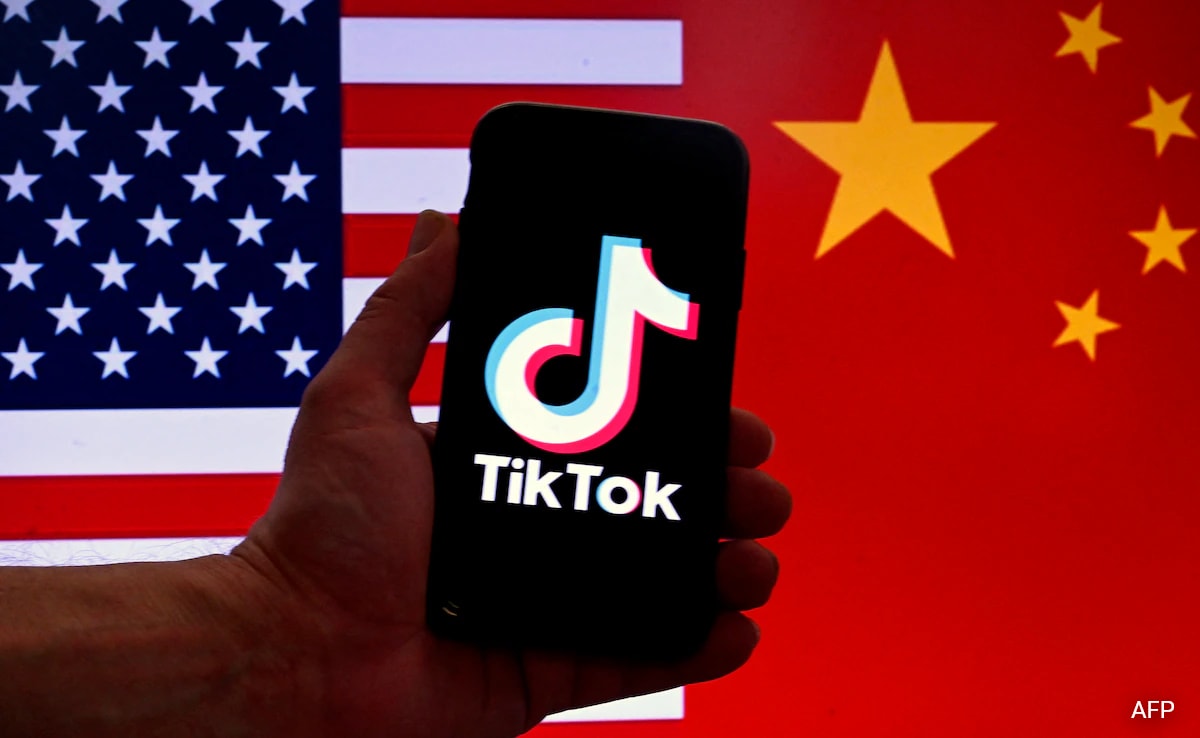
TikTok, the short-form video platform developed by the Chinese company ByteDance, has become a global phenomenon since its international launch in 2018. While the app initially gained popularity among teenagers and young adults, it has since expanded into a multifaceted social media platform influencing culture, commerce, politics, and entertainment. In the United States, TikTok has seen exponential growth, reshaping how Americans consume content and engage with social media. However, its rise has not been without controversy, drawing scrutiny from regulators, politicians, and the public. This article explores TikTok’s journey, its impact on American society, the controversies surrounding it, and its future prospects.
The Rise of TikTok in the United States
TikTok’s path to prominence in the United States was relatively rapid. Initially launched in 2016 as Douyin in China, ByteDance introduced the international version as TikTok in 2017. In 2018, TikTok merged with Musical.ly, a popular U.S.-based short video platform, which significantly accelerated its adoption in the American market. Musical.ly had cultivated a large community of U.S. users, particularly teenagers who enjoyed lip-syncing and short-form content. By combining the technology and audience of both apps, TikTok effectively positioned itself as a leading short-form video platform in the U.S.
TikTok’s growth in the U.S. has been fueled by its algorithmic content recommendation system. Unlike traditional social media platforms, which primarily show content from users’ friends or followers, TikTok’s “For You Page” curates content based on user behavior, preferences, and engagement patterns. This approach allows users to discover new creators and trends effortlessly, making the app highly addictive and appealing to a wide range of demographics.
By 2020, TikTok had become one of the most downloaded apps in the United States, surpassing even Instagram and Snapchat in certain age demographics. As of 2023, TikTok boasts over 150 million active users in the U.S., with a significant percentage of its user base under the age of 30.
Demographics and User Behavior
The United States represents one of TikTok’s largest markets outside of China. Its user base is diverse but skews younger compared to other social media platforms. Data indicates that nearly 60% of TikTok users in the U.S. are between the ages of 16 and 24, while a growing number of adults aged 25 to 40 are also joining the platform. This demographic distribution has significant implications for marketers, entertainers, and content creators seeking to target specific audiences.
User behavior on TikTok is distinct from other social media platforms. Users engage in short, highly visual, and often humorous or music-driven content. Trends and challenges, often initiated by viral videos, dominate the platform and create a sense of communal participation among users. This participatory culture allows ordinary individuals to become viral sensations overnight, transforming the landscape of digital fame in the U.S.
Moreover, TikTok has cultivated micro-communities, or “niches,” where users share specialized content, from cooking and fitness to gaming and DIY crafts. These niche communities foster loyalty and engagement, making TikTok a platform not only for entertainment but also for education, advocacy, and commerce.
Cultural Influence and Trends
TikTok has had a profound impact on American culture. Its algorithm-driven content and viral challenges have redefined trends in fashion, music, and even language. Songs that go viral on TikTok often climb the Billboard charts, demonstrating the platform’s power to influence the music industry. Similarly, fashion brands and beauty products gain unprecedented exposure when featured in TikTok videos, leading to the phenomenon known as the “TikTok effect,” where demand for specific items surges rapidly after trending on the app.
Beyond entertainment, TikTok has also influenced social norms and political discourse. Activists, educators, and political commentators have leveraged TikTok to reach younger audiences, disseminate information, and mobilize communities. For instance, TikTok played a notable role in raising awareness during U.S. elections and in various social justice movements, including climate activism and racial equality campaigns.
TikTok has also shaped humor and digital storytelling in the U.S. Its format encourages creativity within strict time limits, prompting users to develop innovative methods of expression. Memes, skits, and short-form narratives are central to the platform’s content ecosystem, often spilling over into mainstream media and influencing television, advertising, and even comedy styles.
Economic Impact and Monetization
TikTok has created a new digital economy in the United States. For content creators, the platform offers multiple avenues for monetization, including the TikTok Creator Fund, brand partnerships, and live streaming gifts. Influencers on TikTok, often referred to as “TikTokers,” can earn substantial income, making the app a viable career option for many young Americans.
For businesses, TikTok has become an essential marketing tool. Brands leverage TikTok advertising, influencer collaborations, and viral campaigns to reach audiences that are increasingly disengaged from traditional media. Small businesses, in particular, have benefited from TikTok’s low-cost viral potential, enabling them to compete with larger corporations in digital marketing.
TikTok has also driven consumer trends in unique ways. Products featured in viral TikTok videos often experience massive surges in sales, a phenomenon sometimes called the “TikTok bump.” This influence extends across industries, including fashion, beauty, technology, and food. Companies now actively tailor marketing campaigns to optimize for TikTok virality, further cementing the platform’s role in shaping consumer behavior in the U.S.
Political and Regulatory Challenges
Despite its success, TikTok has faced significant scrutiny in the United States due to its Chinese ownership. Concerns about data privacy, national security, and content moderation have prompted investigations and legislative proposals aimed at restricting or regulating the platform. U.S. officials have raised concerns that TikTok could potentially share user data with the Chinese government, though ByteDance has repeatedly denied such claims.
In response to these concerns, TikTok has taken steps to localize data storage and increase transparency in its operations. The company has established data centers in the United States and Singapore to store American user data and has appointed a U.S.-based CEO to address regulatory and operational concerns.
Political debates surrounding TikTok have sometimes overshadowed its cultural impact. Proposals to ban or restrict TikTok in the U.S. have emerged intermittently, though none have resulted in permanent nationwide bans. The platform’s ability to navigate this scrutiny while maintaining its user base has been a testament to its resilience and adaptability in a complex regulatory environment.
Controversies and Criticisms
TikTok has faced multiple controversies in the United States, ranging from content moderation issues to mental health concerns. Critics argue that the app’s addictive nature, coupled with algorithmically curated content, can negatively affect attention spans, self-esteem, and mental health, particularly among younger users.
Content moderation has also been a significant challenge. TikTok has been accused of inconsistent enforcement of its guidelines, including allegations of censoring political content and suppressing certain topics. The platform has responded by increasing transparency in moderation practices and creating educational campaigns on digital literacy and online safety.
Additionally, TikTok has been criticized for intellectual property issues. Many creators use copyrighted music and media, which has led to legal disputes and the need for licensing agreements to protect both artists and the platform. Despite these challenges, TikTok continues to grow in popularity, highlighting the platform’s ability to adapt and evolve in response to criticism.
TikTok’s Role in American Media and Entertainment
TikTok has fundamentally changed the media landscape in the United States. Traditional forms of entertainment, such as television and film, are increasingly influenced by the trends and formats popularized on the platform. Studios and content producers often monitor TikTok for emerging trends, memes, and audience preferences to guide creative decisions.
The platform has also democratized fame and content creation. Individuals who might never have gained recognition through traditional media channels can now become influencers, creators, and cultural icons overnight. This democratization has disrupted traditional hierarchies in the entertainment industry and opened new opportunities for diverse voices and perspectives.
TikTok’s influence extends to journalism and information dissemination as well. News outlets and independent reporters use TikTok to deliver short-form news content, reaching younger audiences who may not engage with traditional news formats. This trend has raised both opportunities and challenges for information accuracy and media literacy.
The Future of TikTok in the United States
Looking ahead, TikTok’s trajectory in the United States appears promising, but it faces both opportunities and challenges. Its continued growth will likely depend on its ability to balance user engagement with regulatory compliance, data privacy, and content moderation.
Technologically, TikTok is exploring new features such as augmented reality (AR), e-commerce integration, and AI-driven personalization to enhance user experience. These innovations could further solidify its position as a dominant social media platform in the United States.
Culturally, TikTok’s influence on music, fashion, entertainment, and social discourse is expected to deepen. As the platform matures, it may play an increasingly significant role in shaping societal norms, digital marketing strategies, and the future of creative expression.
However, political and regulatory scrutiny will remain a key factor in TikTok’s U.S. operations. The company must navigate a complex landscape of privacy laws, national security concerns, and public perception while maintaining its user base and market influence.
Conclusion
TikTok’s journey in the United States reflects a complex interplay of innovation, cultural influence, economic opportunity, and political scrutiny. Its unique algorithm, short-form content, and viral culture have transformed how Americans consume media, engage with entertainment, and participate in social discourse. While the platform has faced criticism and regulatory challenges, its impact on American society is undeniable.
As TikTok continues to evolve, it will remain a central player in the digital landscape, shaping trends, influencing culture, and redefining the nature of social media in the United States. For creators, businesses, and users alike, TikTok represents both opportunity and challenge, highlighting the transformative power of technology in a connected world.