

Introduction
Ochre (also spelled ocher) is one of the oldest pigments used by humans. Its warm tones — from yellow and orange to deep red and brown — have colored the walls of caves, the canvases of great painters, the bodies of ceremonial dancers, and the earth‑toned landscapes of traditional architecture. Revered for its beauty and valued for its durability, ochre stands as a testament to humanity’s enduring relationship with color.
In this article we will explore:
- What ochre is — scientific and geological foundations
- History and archaeology of ochre use
- Ochre in art across cultures and eras
- Ochre in ritual, symbolism, and tradition
- Ochre in industry and modern applications
- Environmental and ethical considerations
- Contemporary relevance and artistic revival
1. What Ochre Is — Scientific and Geological Foundations
Definition and Composition
Ochre is a natural clay earth pigment composed mainly of iron oxide and varying amounts of clay and other minerals. The presence and state of iron oxides determine the color spectrum:
- Yellow ochre — contains hydrated iron oxide (goethite)
- Red ochre — contains dehydrated iron oxide (hematite)
- Brown ochre — combines iron oxides with varying organic and mineral components
These pigments are distinct from synthetic iron oxides because they are naturally occurring, formed through weathering and sedimentation over millennia.
Formation and Sources
Ochre forms in sedimentary environments:
- In soils rich in iron compounds
- Through the weathering of rocks
- In areas with water‑driven mineral deposition
Significant ochre deposits are found around the world: France, Spain, Australia, Africa, India, and the American Southwest. Some sites have been exploited for thousands of years, passing from prehistoric peoples to industrial extraction.
Chemical Properties
The durability of ochre stems from the stability of iron oxides. They:
- Resist light degradation
- Are insoluble in water
- Bind well with organic and inorganic media
These qualities contributed to ochre’s dominance as a pigment in many artistic and architectural traditions.
2. History and Archaeology of Ochre Use
Prehistoric Beginnings
The history of ochre predates written records. Archaeological discoveries show that humans were using ochre as far back as 300,000 years ago. Some key findings include:
- Blombos Cave, South Africa — pieces of ochre engraved with abstract patterns dated to about 100,000 years ago
- Paleolithic cave art in Europe — ochre figures in caves like Lascaux and Altamira
- Burial practices — ochre‑covered human remains, suggesting symbolic use
Ochre is one of the earliest materials manipulated by humans — not just for practical purposes like hide preservation, but for symbolic expression.
Ochre in Prehistoric Art
Cave paintings in France, Spain, and other parts of Europe often use vivid red and yellow ochre:


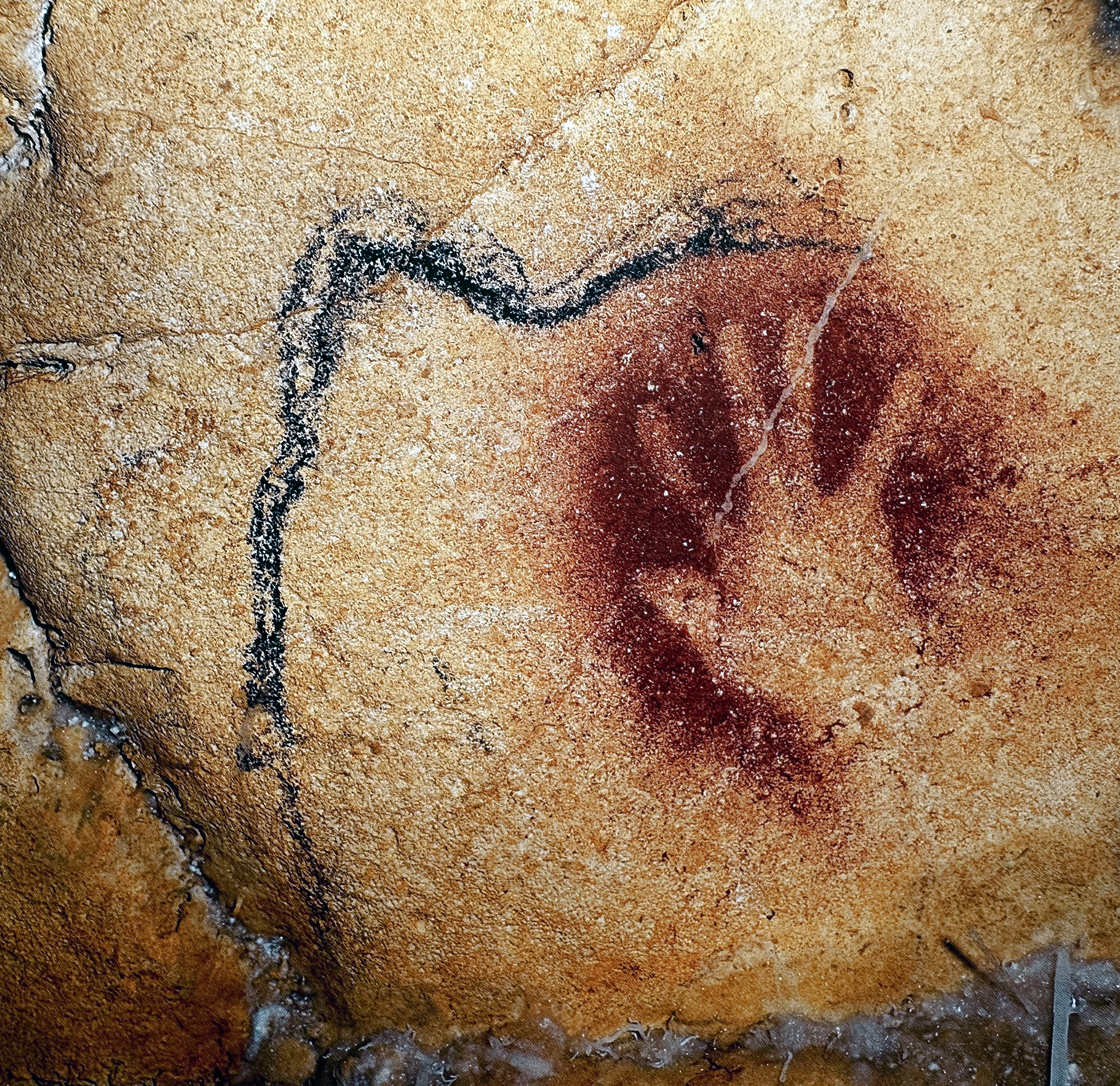

These ancient murals reveal:
- Animals and hunting scenes
- Abstract signs and hand stencils
- Use of multiple ochre shades applied with fingers, brushes, or blown through tubes
Ochre in these contexts wasn’t just decorative: it was a means of communication, storytelling, and spiritual expression.
3. Ochre in Art Across Cultures and Eras
Ancient Egypt
Egyptians used ochre in tomb paintings and religious art. Red ochre often symbolized life and vitality, while yellow ochre was associated with the sun and the divine. Ochre bound with gum and egg formed tempera paints for murals and funerary art.
Classical and Medieval Art
Greeks and Romans used ochre widely:
- In frescoes and architectural decoration
- Mixed with lime plaster for lasting murals
Medieval manuscripts show ochre as one of the earliest pigments available to scribes — often mixed with other earth tones.
Renaissance and Beyond
During the Renaissance, ochre remained a staple pigment:
- Used by masters like Titian, Rembrandt, and Leonardo da Vinci
- Appreciated for its warm, natural hues and stability
Unlike synthetic pigments (which were expensive and sometimes unstable), ochre was accessible to many artists — contributing to its widespread use in Baroque and Dutch Golden Age painting.
Indigenous and Folk Traditions
Across the world, indigenous cultures used ochre in art and utilitarian objects:
- Australian Aboriginal art — ochre painters applied earth pigments to bark and rock, depicting Dreamtime stories
- Native American art — ochre adorned pottery, textiles, and body paint
- African tribal artistry — ochre used in ceremonies, ornamentation, and temporary body decoration
In these contexts, ochre isn’t just color — it carries identity, story, and place.
4. Ochre in Ritual, Symbolism, and Tradition
Body Painting and Ceremony
From Aboriginal ceremonies to African tribal rites, ochre has symbolized:
- Transformation
- Spiritual protection
- Social status
- Connection to ancestors
In some cultures, the very act of applying ochre is a ritual purification.
Burial and Cosmology
Ochre’s red color often evokes life force, blood, and rebirth. Archaeologists find:
- Ochre sprinkled in graves
- Ochre‑coated skeletons
- Ochre used in funerary offerings
These practices suggest beliefs about life after death and the transformative power of color.
Architecture and Space
In prehistoric dwellings and sacred spaces, ochre walls might have conveyed:
- Protection
- Community narratives
- Connection with the natural world
The durability of ochre pigments ensured these messages lasted for generations.
5. Ochre in Industry and Modern Applications
From Cosmetology to Construction
Ochre isn’t just an art pigment — it has practical and industrial uses:
- Cosmetics: as a natural earth pigment in foundations and blushes
- Paints and coatings: as a durable, lightfast colorant
- Plasters and stucco: adding color to architectural finishes
Because ochre is non‑toxic and stable, it’s popular in traditional and eco‑friendly building materials.
Modern Art and Design
Contemporary artists still use ochre for its organic quality. Designers favor:
- Earth‑toned palettes
- Natural pigments in ceramics and textiles
- Sustainable, locally sourced materials
While synthetic pigments offer bright, extreme colors, ochre anchors modern aesthetics in the natural world.
6. Environmental and Ethical Considerations
Mining and Land Use
Ochre extraction, like all mining, impacts environments:
- Landscape disruption
- Soil and water disturbance
- Loss of natural habitat
Sustainable harvesting and rehabilitation plans help reduce these impacts.
Cultural Respect and Heritage Sites
Some ochre sources are sacred to indigenous communities (e.g., Aboriginal Australian ochre pits). Ethical use means:
- Respecting access rights
- Acknowledging cultural significance
- Avoiding commercialization that harms heritage
Artists and companies increasingly source ochre ethically, respecting indigenous stewardship.
7. Contemporary Relevance and Artistic Revival
Art and Sustainability
In an era of climate consciousness, natural pigments such as ochre are resurging:
- Artists seeking low‑impact materials
- Eco‑brands using earth pigments in design
- Architects revitalizing traditional ochre plasters
Ochre bridges ancient practices with modern environmental values.
Education and Cultural Preservation
Museums and educational programs highlight:
- Prehistoric ochre art
- Techniques of grinding and mixing pigments
- Cultural ceremonies tied to ochre use
These initiatives preserve knowledge of ancient practices and reinforce art’s connection to human history.
Conclusion: Why Ochre Matters
Ochre is far more than a pigment. It is:
- A link to our earliest ancestors
- A symbolic medium across cultures
- A foundation of artistic tradition
- A natural material relevant in modern sustainability
From the red walls of prehistoric caves to contemporary studios, ochre’s presence is a reminder that color isn’t just aesthetic — it’s human.
Further Reading & Resources
If you’d like:
- A timeline of ochre use
- Details on ochre mining locations
- A guide on how to prepare ochre paint
- Academic references