
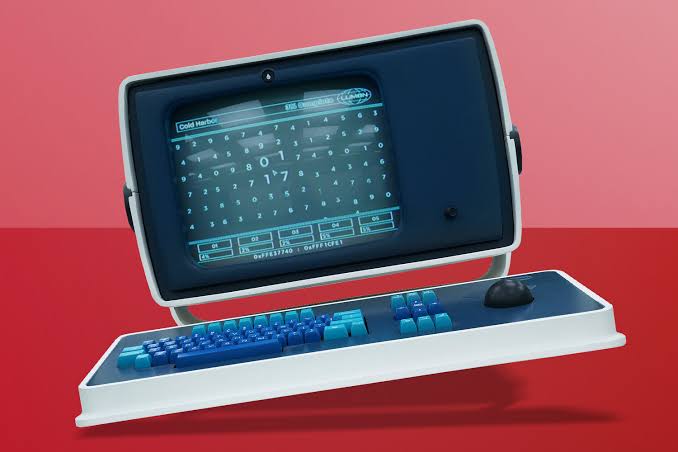
In the ever-evolving world of technology and entertainment, few phenomena encapsulate the blending of storytelling, design, and brand strategy better than the Lumon Terminal Pro. Though it isn’t a real computer sold on the market, it has captured the imagination of tech enthusiasts, television fans, and design aficionados worldwide. This article dives into the origins, cultural significance, design elements, and wider implications of the Lumon Terminal Pro — a fictional device that, through clever marketing, became a real talking point in tech culture.
Origins in Television: The World of Severance
To understand the Lumon Terminal Pro, one must first understand the television series that spawned it. Severance is a psychological science-fiction drama produced by Apple TV+. The show centers around employees at a corporation known as Lumon Industries, where a radical medical procedure — “severance” — surgically separates employees’ work memories from their personal lives. In this dystopian world, Lumon workers carry two distinct personas: the “innies” who operate within the company’s rigid work environment, and the “outies” who return home with no recall of their professional activities.
In the show, the computers used for data refinement and analysis are conspicuously analog in appearance — evocative of old mainframes and terminals rather than sleek modern devices. These devices, visually striking and thematically resonant, became the blueprint for the Lumon Terminal Pro as it appeared later outside the show.
A Fictional Device Appears on a Real Tech Giant’s Website
In a move that surprised both tech media and series fans, Apple featured the Lumon Terminal Pro on its official Mac product page. At first glance, it appeared to be listed alongside real devices such as MacBooks and iMacs. It was adorned with a “New” label and displayed product imagery that mimicked genuine listings for Apple hardware products. Yet — as many quickly discovered — the device was not actually for sale.
Instead, the “Lumon Terminal Pro” listing served as a promotional vehicle for Severance and for Apple’s broader ecosystem — subtly redirecting viewers toward behind-the-scenes content about how the show was made. Clicking the product listing did not lead to an e-commerce purchase option, but rather to a short film exploring the creative editing process behind the series’s episodes. This clever twist surprised many fans who initially believed it might be an actual product release.
What Made It Stand Out
Despite it being fictional, Lumon Terminal Pro stood out for several reasons:
1. Design and Aesthetics
The device’s design was a deliberate visual cue rooted in retro-futurism. Its bulky body, wide bezels, blue dual-tone mechanical keyboard, and the inclusion of a trackball in place of a traditional mouse — all evoked computing devices from an earlier era. Such design choices were not arbitrary; they reinforced the show’s themes — a blend of dystopian control and nostalgic corporate boredom. The tactile visual novelty offered viewers something refreshingly different from the sleek, minimalist aesthetic of modern computing hardware.
2. Cultural and Narrative Significance
Within Severance, the computers served as symbols of the workers’ isolation, routine, and lack of personal agency. The Terminal Pro, therefore, became more than just a fictional prop — it embodied a crucial element of the show’s critique of corporate culture and the erosion of individual identity within institutional systems.
This made the device aspirational in a peculiar way: fans were not just interested in its hardware spec, but what it represented — the eerie aesthetic of Lumon Industries’ workspace and the emotional resonance of the show’s fictional world.
3. Marketing Innovation
By placing a fictional product on a real commerce platform, Apple blurred the lines between fiction and reality in a way that traditional marketing rarely attempts. Rather than simply advertising the show through banners or trailers, the company embedded the show’s narrative directly into its own hardware marketplace — making a storytelling device part of a real shopping experience. This interaction prompted discussions across social media and enthusiast forums, extending the show’s presence beyond streaming screens into real digital ecosystems.
Fans React: From Confusion to Creative Engagement
The appearance of the Lumon Terminal Pro generated a lively response online. Fans expressed bewilderment, excitement, disappointment, and humor in equal measure. On community forums and threads, many users initially believed the product might actually be for sale, only to realize it was a marketing stunt. Some joked that Apple had pulled an “April Fools’” move; others expressed genuine disappointment that the Terminal Pro was not a product they could bring home.
There were even discussions imagining what it might be like if the device were real — with speculations about pricing, specs, performance, and whether tech enthusiasts would repurpose it as a functional machine. Enthusiasts with retro computing interests, for example, saw it as a potential collectible or conversation piece, even proposing that they would use its unique keyboard or monitor design in a real setup.
The fan interest went so far that some keyboard designers and hobbyists created fan-made replicas or conceptual builds inspired by the Terminal Pro’s aesthetic, demonstrating how deeply the device’s design language resonated with niche audiences.
Inside the Marketing Strategy
Why would a company like Apple invest in promoting a fictional computer on its official hardware storefront? The answer lies in how storytelling and brand ecosystems now intersect.
Apple, like other tech giants, increasingly sees value in content beyond hardware. Services like Apple TV+ contribute to broader user engagement with the brand. By integrating elements of its original programming directly into commerce and product narratives, Apple strengthens the emotional connection between consumers and the Apple ecosystem.
In this case, the Lumon Terminal Pro acted as a bridge — drawing fans of Severance toward Apple’s own content and hardware. It subtly encouraged viewers to explore more about how the show was created using actual Apple devices. This approach deepened engagement with both the brand’s software services and its hardware offerings without relying on overt advertising.
This kind of “immersive marketing” becomes a form of cultural participation — where a fictional device assumes a place in real consumer consciousness, reinforcing brand identity while enhancing the cultural footprint of the show.
The Design Philosophy: Nostalgia Meets Futuristic Ambiguity
The design of the Terminal Pro is worth examining beyond its fictional origins. It combines elements of retro computing—including integrated trackballs, chunky keycaps, and CRT-style monitor presentations—with touches of modern intentional ambiguity. Rather than presenting a sleek, polished gadget, the device’s intentionally dated appearance evokes a sense of being trapped in a corporate space that resists innovation or individuality.
This visual narrative mirrors the thematic core of Severance: a workplace designed to extract productivity while minimizing emotional connection. The Terminal Pro’s tactile design, therefore, serves a thematic purpose: to appear simultaneously familiar and alien, old-fashioned yet unsettling.
Interestingly, design commentators noted that the Terminal Pro’s aesthetic conveys a narrative about how computing could have evolved in a different cultural context — one where corporate control outweighs user experience and personal freedom. This design, therefore, represents a form of speculative technology: not about what technology actually becomes, but what it might look like under different cultural forces.
Wider Implications: Fictional Tech in Real Life
The Lumon Terminal Pro isn’t the first time fictional tech has crossed into real-world visibility, but it stands out for how seamlessly it was integrated into a real tech ecosystem. Fictional vehicles, devices, and interfaces have often inspired real products — from communicator designs in sci-fi influencing smartphone aesthetics to futuristic wearables seen in films guiding concept tech development.
However, the Terminal Pro differs because it wasn’t a conceptual product aimed at future consumers — it was a narrative artifact born in fiction, then adopted into real marketing machinery. In doing so, it raises questions about how storytelling, brand strategy, and consumer engagement can intersect in the digital age.
For media producers and marketers, this approach offers a compelling case study: integrating fictional elements into real platforms can drive deeper engagement than traditional ads, by inviting consumers to participate in the narrative world more actively.
For audiences, it highlights how fiction and reality increasingly intermingle. In an era of augmented experiences, digital easter eggs, and immersive storytelling, the boundary between narrative worlds and consumer experience becomes delightfully porous.
Why Lumon Terminal Pro Matters Beyond the Show
Even though the Lumon Terminal Pro is not a real product you can ship to your desk, its impact extends into several domains:
- Cultural Impact: It has become a talking point beyond the Severance fandom, entering discussions about design, nostalgia, and corporate symbolism.
- Marketing Evolution: It exemplifies a new frontier in experiential digital marketing — where fictional devices bolster brand storytelling in subtle but effective ways.
- Design Appreciation: It highlights how aesthetic choices contribute to narrative immersion, influencing how viewers perceive a fictional world.
- Fan Creativity: The desire to build replicas or integrate elements inspired by the Terminal Pro demonstrates lasting engagement fostered by good design and narrative visibility.
In essence, the Lumon Terminal Pro represents more than a promotional stunt — it is a testament to how deeply interconnected storytelling and technology have become in contemporary media.
Looking Forward: Could It Become Real?
Given fan demand and the popularity of Severance, it’s worth asking whether Apple — or independent designers — might one day create a real version of the Lumon Terminal Pro. This prospect teases at a broader trend of props becoming products. Numerous fictional tech devices from films and shows have inspired real-world counterparts — consider how certain prop smartphones or hoverboards eventually inspired tangible consumer devices.
While Apple has not announced any plans to produce a physical Lumon Terminal Pro, the mere existence of widespread fan interest suggests that demand could drive third-party designers or niche manufacturers to create homage pieces. Whether those take the form of functional keyboards, decorative computer enclosures, or fully operational hybrid devices, the imagination sparked by the original promotional piece ensures the Terminal Pro will continue to live on — whether in fan creations, tech design conversations, or the broader narrative of Severance lore.