
Introduction
Khabarovsk, one of the largest cities in Russia’s Far East, is a unique blend of natural beauty, cultural diversity, and historical significance. Situated near the confluence of the Amur and Ussuri rivers, Khabarovsk serves as an important administrative, economic, and cultural hub of the Russian Federation. Unlike many cities of Siberia and the Far East, Khabarovsk is known for its vibrant urban lifestyle, artistic spirit, and strategic geopolitical importance. This article explores the history, geography, culture, economy, and modern life of Khabarovsk, offering a comprehensive look at this fascinating city.
Historical Background
Khabarovsk’s history dates back to the mid-17th century when Russian explorers, led by Yerofey Khabarov, reached the Amur River region. The city was later named in his honor. Initially, the area was contested between the Russian Empire and the Qing Dynasty of China. After decades of territorial disputes, the Treaty of Aigun in 1858 and the Treaty of Beijing in 1860 officially incorporated Khabarovsk into the Russian Empire.
During the late 19th and early 20th centuries, the city developed rapidly as a military and administrative center. The construction of the Trans-Siberian Railway further strengthened Khabarovsk’s role as a vital link between European Russia and the Pacific coast. In Soviet times, the city became a hub for industry, education, and culture. Today, it stands as the administrative center of Khabarovsk Krai, one of the largest regions in Russia.
Geography and Climate
Khabarovsk is located about 30 kilometers from the Chinese border, making it one of Russia’s most strategically positioned cities in the Far East. The Amur River, which flows along the city, not only provides scenic landscapes but also plays a significant role in trade and transportation.
The city experiences a humid continental climate with cold, snowy winters and warm, humid summers. Winter temperatures can drop below -20°C, while summer temperatures often rise above +25°C. This sharp seasonal contrast defines much of the local lifestyle and culture. In spring and summer, Khabarovsk’s parks, embankments, and public spaces come alive, offering residents and visitors a chance to enjoy outdoor festivals, concerts, and recreational activities.
Cultural Life
Khabarovsk is widely recognized as a cultural heart of the Russian Far East. The city is home to numerous theaters, museums, and galleries. The Khabarovsk Regional Museum showcases the history, archaeology, and ethnography of the region, including exhibits about the indigenous peoples such as the Nanai and Evenki. The Far Eastern Art Museum houses Russian and European art collections, while the Khabarovsk Puppet Theater and the Drama Theater continue to attract audiences of all ages.
The city also hosts festivals that celebrate both Russian traditions and Far Eastern diversity. For example, the annual “Amur Waves” music festival brings together performers from across Russia and neighboring countries. Cultural life in Khabarovsk reflects not only the city’s Russian roots but also its role as a crossroads between Europe and Asia.
Architectural Landmarks
Khabarovsk boasts a mix of architectural styles, from pre-revolutionary buildings to Soviet-era monuments and modern constructions. Some of the most iconic landmarks include:
- Transfiguration Cathedral: One of the tallest Orthodox churches in Russia, offering a panoramic view of the city.
- Komsomolskaya Square: A central gathering point surrounded by historical buildings and monuments.
- Amur Cliff (Utës): A scenic riverside promenade offering spectacular views of the Amur River.
- Lenin Square: The largest square in the city, frequently used for parades, celebrations, and political events.
These landmarks not only highlight Khabarovsk’s history but also serve as focal points for community gatherings and tourism.
Economy and Industry
Khabarovsk’s economy has traditionally relied on industry, transportation, and trade. Due to its strategic location, the city serves as a gateway for commerce between Russia and Asia, particularly China, Japan, and Korea. Key industries include:
- Manufacturing: Aircraft production, machinery, and shipbuilding remain vital sectors.
- Energy and Natural Resources: The city plays a role in managing resources such as timber, minerals, and fisheries from the wider Khabarovsk Krai region.
- Trade and Transportation: The proximity to China enhances cross-border commerce, while the Amur River and Trans-Siberian Railway make Khabarovsk a logistical hub.
- Tourism: Growing steadily, especially with Chinese visitors and Russian travelers seeking cultural and natural attractions.
In recent years, Khabarovsk has also expanded its service sector, including retail, finance, and education.
Education and Science
Khabarovsk is home to several leading universities and research institutions. The Pacific National University and Far Eastern State Transport University are well-regarded centers for higher education. These institutions attract students not only from across Russia but also from neighboring countries. The city also supports research in engineering, environmental studies, and regional development, contributing to innovation in the Far East.
Transportation and Connectivity
As a key transport hub, Khabarovsk is well connected by air, rail, and river routes. The Khabarovsk International Airport offers flights to Moscow, Vladivostok, and international destinations. The Trans-Siberian Railway ensures direct connections to European Russia and other Far Eastern cities. Within the city, public transportation includes buses, trams, and trolleybuses, making it easy for residents to commute.
The Amur River itself also plays a role in regional transportation, with seasonal ferries and river cruises providing scenic travel opportunities.
Daily Life and Modern Development
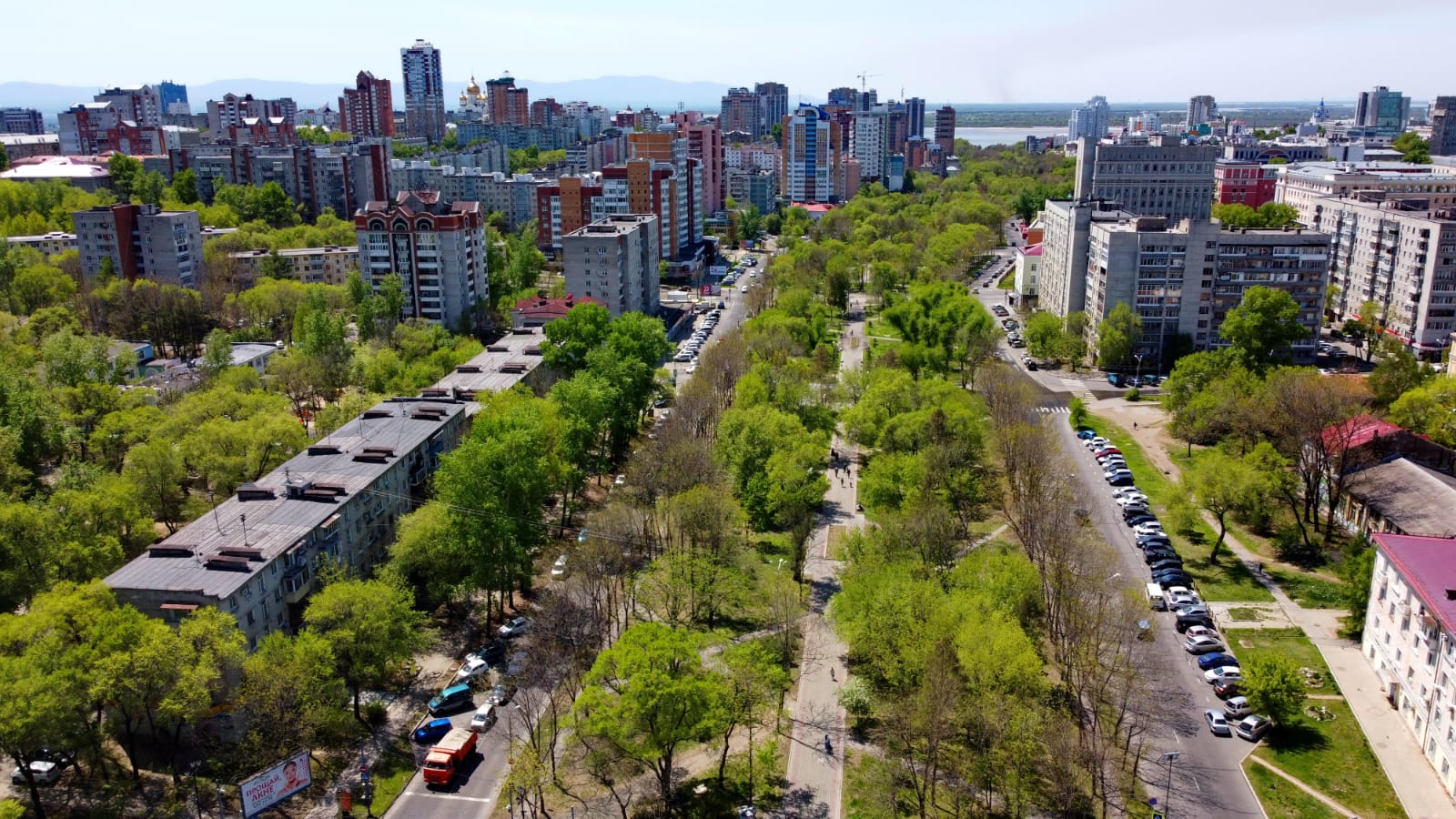
Khabarovsk combines the charm of a historical city with the dynamism of modern urban life. Wide boulevards, green parks, and lively embankments make it one of the most pleasant cities to live in within the Russian Far East. Cafés, restaurants, and shopping centers offer a taste of both Russian and international culture.
The city government has invested in modern infrastructure, cultural projects, and tourism initiatives, aiming to improve the quality of life for residents while attracting foreign investment. Despite its remote location, Khabarovsk continues to grow as a vibrant, forward-looking city.
Tourism and Attractions
Tourists visiting Khabarovsk are often surprised by the city’s beauty and variety of attractions. Popular sites include:
- The Amur River Embankment: Ideal for walking, dining, and enjoying views of the river.
- Muravyov-Amursky Park: A green space perfect for families and cultural events.
- Far Eastern Art Museum: Showcasing Russian and international art collections.
- Zoo and Safari Park: Featuring wildlife native to the Far East.
- Cultural Festivals: Including music, theater, and international exhibitions.
Eco-tourism is also growing, with opportunities for hiking, fishing, and exploring the vast wilderness of Khabarovsk Krai.
Strategic Importance
Khabarovsk holds strategic importance for Russia due to its proximity to China and its role in connecting the Russian Far East with the Pacific region. It serves as a center for diplomacy, trade, and defense. The presence of military bases further underscores its geopolitical significance. As Russia continues to strengthen ties with Asian nations, Khabarovsk is likely to play an even more critical role in regional cooperation.
Conclusion
Khabarovsk, Russian Federation, is far more than just a city on the map. It is a place where history, culture, and modernity intersect. With its rich heritage, strong economy, and vibrant lifestyle, Khabarovsk stands as a testament to the resilience and adaptability of Russia’s Far Eastern cities. Whether through its cultural festivals, architectural landmarks, or strategic position as a gateway to Asia, Khabarovsk continues to shape the future of the region while preserving the spirit of its past.
From the banks of the Amur River to the bustling streets of Lenin Square, Khabarovsk offers a window into the diversity and dynamism of the Russian Federation. It is a city that embodies both tradition and progress, making it an essential part of Russia’s identity in the 21st century.