
Introduction
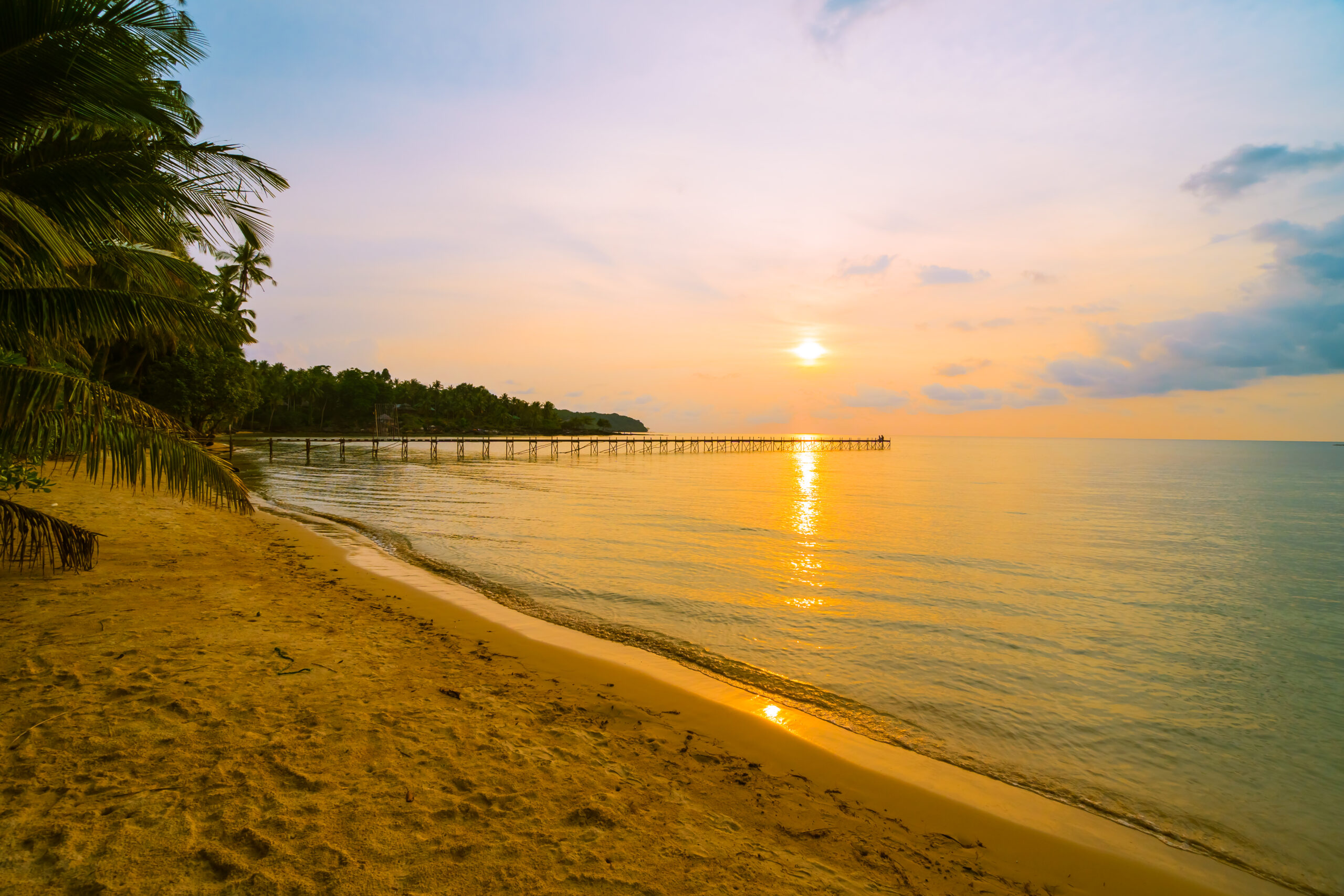
Nestled along the western coastline of India, Goa is a small yet dazzling state that captures the essence of tropical beauty and laid-back living. Known for its sun-drenched beaches, palm-fringed shores, and vibrant nightlife, Goa is a world-famous travel destination that draws millions of tourists every year. But beyond its reputation for parties and beaches, Goa is also a land of history, spirituality, and diverse cultural influences — particularly from its long Portuguese colonial past.
Whether you’re an adventure lover, a history enthusiast, or simply seeking peace and tranquility, Goa offers something for everyone. From the old-world charm of Panjim and the heritage churches of Old Goa to the bustling beach shacks of Baga and Anjuna, this small state is a world within itself.
1. Geography and Climate
Goa is located on the Konkan coast in the western part of India, bordered by Maharashtra to the north, Karnataka to the south and east, and the Arabian Sea to the west. Despite being India’s smallest state by area, Goa is packed with natural beauty — from lush green forests and cascading waterfalls to golden beaches that stretch for over 100 kilometers.
The climate in Goa is typically tropical, with three main seasons:
- Summer (March to May): Warm and humid, with temperatures ranging between 25°C to 35°C.
- Monsoon (June to September): Goa transforms into a lush green paradise, receiving heavy rainfall.
- Winter (October to February): The best time to visit Goa, when the weather is pleasant and the skies are clear.
The winter months also coincide with the state’s famous festivals and events, making it a hotspot for travelers from across the world.
2. A Brief History of Goa
Goa’s history is as rich and colorful as its landscape. The region has been inhabited since prehistoric times, with influences from Hindu dynasties such as the Kadambas, Chalukyas, and Bahmani Sultanate before the arrival of the Portuguese in 1510.
The Portuguese rule, which lasted for more than 450 years, left a profound mark on Goa’s architecture, culture, and cuisine. Churches, forts, and colonial houses still stand as reminders of this European influence. In 1961, Goa was liberated by India, ending centuries of colonial rule and becoming a union territory before achieving statehood in 1987.
This blend of Indian and Portuguese heritage gives Goa a distinct identity — one that sets it apart from the rest of India.
3. Goa’s Beaches: The Heartbeat of the State
Goa’s beaches are legendary, offering a mix of calm serenity and lively entertainment. Each beach has its own character and charm, attracting different kinds of travelers.
a. North Goa Beaches
- Baga Beach: Famous for water sports, beach shacks, and nightlife.
- Calangute Beach: Known as the “Queen of Beaches,” it’s ideal for sunbathing and parasailing.
- Anjuna Beach: Popular among backpackers and famous for its Wednesday flea market.
- Candolim and SinQ Beach: Perfect for those who prefer a mix of relaxation and luxury.
b. South Goa Beaches
- Palolem Beach: A peaceful, crescent-shaped beach with crystal-clear waters.
- Colva Beach: A family-friendly destination with white sand and coconut palms.
- Agonda Beach: Ideal for solitude seekers and yoga enthusiasts.
- Benaulim Beach: A calm stretch for swimming and enjoying Goan seafood.
Whether you want to party under the stars or meditate by the ocean, Goa’s beaches cater to every mood.
4. Culture and Festivals
Goa’s cultural fabric is woven from both Indian and Portuguese influences, giving it a unique identity. The Goan lifestyle reflects a balance between Eastern traditions and Western leisure.
Major Festivals
- Carnival: A colorful festival held in February before Lent, featuring parades, music, and dance.
- Feast of St. Francis Xavier: Celebrated every December in Old Goa, attracting thousands of devotees.
- Shigmo Festival: Goa’s version of Holi, marked by folk dances and vibrant parades.
- Sao Joao Festival: Celebrated during the monsoon, when locals jump into wells to honor St. John the Baptist.
Goa’s festivals highlight its joyous spirit and multicultural background, offering visitors a glimpse into its rich traditions.
5. Heritage and Architecture
Goa’s architectural landscape is a stunning mix of Baroque churches, colonial villas, and Hindu temples. Old Goa, once the capital of Portuguese India, is now a UNESCO World Heritage Site.
Must-Visit Heritage Sites:
- Basilica of Bom Jesus: Home to the remains of St. Francis Xavier.
- Se Cathedral: One of Asia’s largest churches, known for its Portuguese-Gothic style.
- Fort Aguada: Built in 1612 to guard against invasions, now offering panoramic sea views.
- Shanta Durga Temple: A serene Hindu temple showcasing Indo-Portuguese architecture.
Strolling through the narrow lanes of Panjim or Fontainhas (the Latin Quarter) feels like walking through a slice of Europe, with pastel-colored homes, wrought-iron balconies, and tiled roofs.
6. Goan Cuisine: A Taste of the Coast
Goan food is a delightful fusion of Indian spices and Portuguese flavors. Seafood dominates the cuisine, but there’s something for everyone.
Popular Goan Dishes:
- Fish Curry Rice: The staple dish of every Goan household.
- Prawn Balchão: Spicy pickled prawns with a tangy kick.
- Bebinca: A layered dessert made with coconut milk, sugar, and eggs.
- Vindaloo: A fiery curry introduced by the Portuguese.
- Feni: A local spirit distilled from cashew apples or coconut.
Vegetarian dishes like Khatkhate and Sol Kadhi also hold a special place in traditional Goan meals. The food reflects Goa’s tropical abundance and cultural diversity.
7. Adventure and Activities
Goa isn’t just for lazy beach days — it’s also a paradise for adventure seekers.
Water Sports
You can enjoy parasailing, jet-skiing, scuba diving, and snorkeling at beaches like Baga, Calangute, and Palolem.
Trekking
Explore trails like the Dudhsagar Waterfall trek or Tambdi Surla for breathtaking views.
Wildlife and Nature
Visit Bhagwan Mahavir Wildlife Sanctuary or Cotigao Wildlife Sanctuary for a peek into Goa’s rich biodiversity.
River Cruises
Sail on the Mandovi River during sunset and enjoy Goan folk music and dance performances.
From underwater wonders to hilltop views, Goa offers endless possibilities for adventure and exploration.
8. Nightlife and Entertainment
When the sun goes down, Goa lights up with energy. Known as the party capital of India, it’s famous for beach parties, nightclubs, and live music.
Top Nightlife Spots
- Tito’s Lane (Baga): Lined with bars and clubs.
- Club Cubana (Arpora): A hilltop club offering stunning views.
- Silent Noise Parties (Palolem): Unique headphone parties under the stars.
- Café Mambos: Popular for international DJs and beach vibes.
Goa also hosts music festivals like Sunburn and VH1 Supersonic, attracting global artists and fans every year.
9. Shopping in Goa
Shopping in Goa is a cultural experience in itself. From bustling flea markets to quaint local boutiques, there’s something for every traveler.
Famous Shopping Spots
- Anjuna Flea Market: Great for handmade jewelry, clothes, and souvenirs.
- Mapusa Market: Perfect for spices, local produce, and Goan handicrafts.
- Calangute Market Square: Offers beachwear and casual fashion.
- Saturday Night Market (Arpora): A lively event combining shopping, food, and live music.
Don’t forget to buy cashew nuts, local wines, and Goan sausages as souvenirs.
10. Tourism and Economy
Tourism is the backbone of Goa’s economy. Millions of domestic and international tourists visit each year, contributing significantly to the state’s GDP. Apart from tourism, Goa also thrives on agriculture, mining, and fishing.
The state government actively promotes eco-tourism and sustainable travel, encouraging visitors to respect local traditions and preserve Goa’s fragile ecosystem.
11. Spiritual Side of Goa
Beyond the beaches and bars lies a peaceful and spiritual side. Goa is dotted with yoga retreats, meditation centers, and Ayurveda spas, attracting visitors looking for holistic wellness.
Places like Assagao, Canacona, and Arambol are popular among wellness travelers. Here, you can attend sunrise yoga sessions, join silent meditation retreats, or indulge in Ayurvedic therapies designed to balance body and mind.
12. Getting Around Goa
Transportation in Goa is simple and flexible:
- Scooters and Bikes: The most popular and affordable way to explore.
- Taxis and Car Rentals: Available for long-distance travel.
- Local Buses: Connect major towns and beaches.
Goa’s Dabolim International Airport connects it to major Indian cities and international destinations, while Madgaon and Thivim railway stations make train travel convenient.
13. Best Time to Visit
The best time to visit Goa is from November to February, when the weather is cool and perfect for outdoor activities.
If you love rain and greenery, the monsoon months (June to September) are ideal for a quieter, more romantic escape.
14. Tips for Travelers
- Respect local traditions and the environment.
- Avoid littering beaches and natural sites.
- Try local food and support small businesses.
- Keep safety in mind during water sports or nightlife activities.
Responsible tourism ensures that Goa’s natural and cultural heritage continues to thrive for future generations.
Conclusion
Goa, India, is more than just a travel destination — it’s a feeling. It’s where time slows down, the ocean whispers stories, and every sunset feels like magic. From its golden beaches and vibrant nightlife to its colonial architecture and serene backwaters, Goa captures the spirit of freedom and joy like no other place.
Whether you’re seeking adventure, spirituality, or simply a break from everyday life, Goa promises an unforgettable experience that stays with you long after you leave its shores.