
Introduction
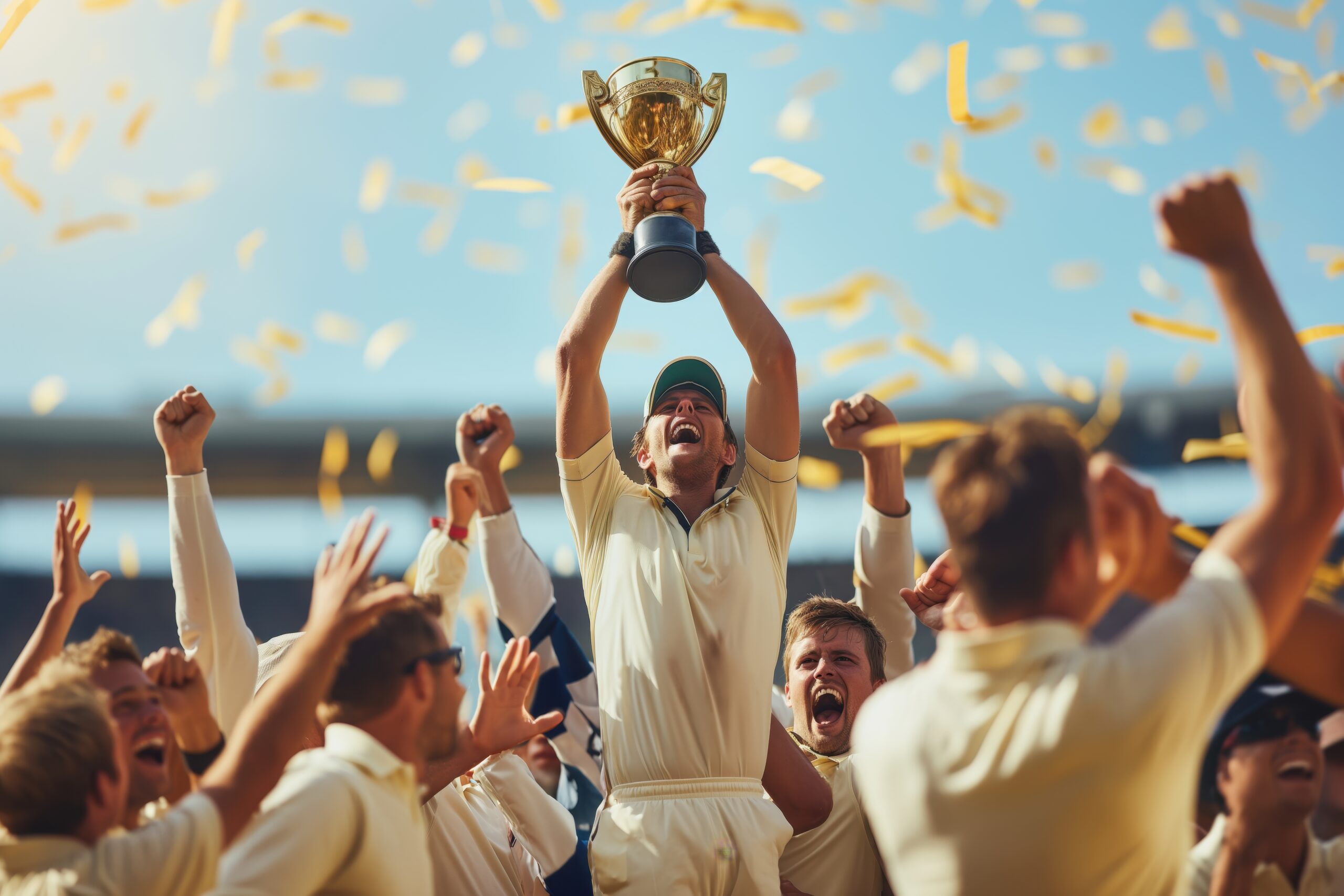
The European Cup, known today as the UEFA Champions League, stands as the pinnacle of club football in Europe. Since its inception in 1955, this prestigious competition has brought together the best football clubs across the continent, showcasing legendary matches, iconic players, and unforgettable moments. Over the decades, the European Cup Final has been more than just a game — it has been a celebration of talent, teamwork, and the relentless pursuit of glory.
From Real Madrid’s early dominance to modern dynasties like FC Barcelona, Bayern Munich, and Liverpool, the list of European Cup Final winners tells the story of football’s evolution and its greatest legends.
1. Origins of the European Cup
The idea for the European Cup was conceived in the early 1950s by French sports journalist Gabriel Hanot of L’Équipe. Inspired by the success of international club tournaments in South America, Hanot envisioned a pan-European competition where the best clubs from each country would compete for continental supremacy.
In 1955, the first-ever European Cup tournament was launched. Sixteen teams participated, including Real Madrid, AC Milan, Stade de Reims, and Partizan Belgrade. The final, held in Paris, saw Real Madrid defeat Stade de Reims 4–3, marking the beginning of their era of dominance.
2. Real Madrid’s Golden Era (1956–1960)
No discussion about European Cup Final winners can begin without mentioning Real Madrid, the undisputed kings of early European football. The Spanish giants won the first five consecutive titles from 1956 to 1960, establishing a record that still stands.
The Legendary Line-Up
Real Madrid’s team featured some of football’s earliest global icons — Alfredo Di Stéfano, Ferenc Puskás, Francisco Gento, and Raymond Kopa. Their attacking style and relentless energy defined the early years of European football.
Memorable Finals
- 1956: Real Madrid 4–3 Stade de Reims
- 1957: Real Madrid 2–0 Fiorentina
- 1958: Real Madrid 3–2 AC Milan (after extra time)
- 1959: Real Madrid 2–0 Stade de Reims
- 1960: Real Madrid 7–3 Eintracht Frankfurt
The 1960 final, played at Hampden Park in Glasgow, remains one of the most famous matches in football history. Puskás scored four goals, and Di Stéfano added three, in what is still regarded as one of the greatest European Cup finals ever played.
3. The Rise of Other European Powers (1961–1970)
After Real Madrid’s early dominance, other clubs began to make their mark.
Benfica’s Back-to-Back Triumphs
Portuguese giants Benfica won the European Cup in 1961 and 1962, led by the legendary Eusébio. These victories ended Real Madrid’s reign and established Benfica as a European powerhouse.
- 1961: Benfica 3–2 Barcelona
- 1962: Benfica 5–3 Real Madrid
AC Milan and Inter Milan Dominate
The 1960s also saw Italian clubs rise to prominence. AC Milan won their first title in 1963, defeating Benfica 2–1 at Wembley. Then, Inter Milan claimed back-to-back victories in 1964 and 1965, showcasing the tactical brilliance of coach Helenio Herrera and his famed “catenaccio” defensive system.
Celtic’s Historic Win
In 1967, Celtic FC became the first British club to win the European Cup, defeating Inter Milan 2–1. The team, famously known as the “Lisbon Lions,” consisted entirely of Scottish players born within 30 miles of Glasgow — a feat never repeated.
Manchester United’s Triumph
In 1968, ten years after the Munich Air Disaster, Manchester United, led by Sir Matt Busby, captured their first European Cup by defeating Benfica 4–1 at Wembley. It was an emotional victory, symbolizing resilience and redemption.
4. The 1970s: The Age of Total Football and German Dominance
The 1970s brought tactical revolutions and the rise of new football dynasties.
Ajax and the Era of “Total Football”
Under the genius of Rinus Michels and led by Johan Cruyff, Ajax Amsterdam redefined football. They won three consecutive European Cups (1971–1973), playing a fluid, attacking brand of football known as “Total Football,” where players could switch positions seamlessly.
- 1971: Ajax 2–0 Panathinaikos
- 1972: Ajax 2–0 Inter Milan
- 1973: Ajax 1–0 Juventus
Bayern Munich’s Triple Triumph
After Ajax’s dominance, Bayern Munich took over, winning three straight European Cups from 1974 to 1976. With stars like Franz Beckenbauer, Gerd Müller, and Sepp Maier, the German giants became Europe’s elite force.
- 1974: Bayern Munich 4–0 Atlético Madrid (replay)
- 1975: Bayern Munich 2–0 Leeds United
- 1976: Bayern Munich 1–0 Saint-Étienne
5. The English Era (1977–1984)
From 1977 to 1984, English clubs dominated Europe, winning seven out of eight European Cups.
Liverpool’s Glory
Liverpool emerged as the most successful English side, winning four titles in this period:
- 1977: Liverpool 3–1 Borussia Mönchengladbach
- 1978: Liverpool 1–0 Club Brugge
- 1981: Liverpool 1–0 Real Madrid
- 1984: Liverpool 4–2 AS Roma (on penalties)
Nottingham Forest’s Remarkable Run
Under manager Brian Clough, Nottingham Forest achieved the extraordinary — winning the European Cup twice in succession (1979 and 1980), despite being relative newcomers to the European stage.
- 1979: Nottingham Forest 1–0 Malmö FF
- 1980: Nottingham Forest 1–0 Hamburg
Aston Villa Joins the Elite
In 1982, Aston Villa stunned Europe by defeating Bayern Munich 1–0 in Rotterdam, marking another English triumph in the golden era of British football.
6. The 1980s and 1990s: The Age of Modern Powerhouses
The 1980s saw Italian, Spanish, and Dutch clubs return to prominence, paving the way for modern football’s super clubs.
The Return of Italy
- Juventus won their first European Cup in 1985, led by Michel Platini.
- AC Milan, under Arrigo Sacchi, built one of the greatest teams in football history, winning back-to-back titles in 1989 and 1990 with legends like Franco Baresi, Ruud Gullit, and Marco van Basten.
Steaua Bucharest and Red Star Belgrade
Eastern European clubs also had their moments:
- Steaua Bucharest (Romania) won in 1986, defeating Barcelona on penalties.
- Red Star Belgrade (Yugoslavia) triumphed in 1991, beating Marseille in another dramatic shootout.
Marseille and the Dawn of the Champions League
In 1993, Olympique de Marseille became the first French club to win the newly branded UEFA Champions League, defeating AC Milan 1–0.
7. The Modern Champions League Era (1992–Present)
The rebranding of the tournament into the UEFA Champions League in 1992–93 marked a new era of global attention, commercial growth, and elite football.
1990s Dominance
- AC Milan and Juventus continued to dominate Italian football.
- Ajax won in 1995, with a young team featuring Edgar Davids, Patrick Kluivert, and Clarence Seedorf.
- Manchester United’s dramatic 1999 comeback against Bayern Munich (2–1) became one of the greatest finals ever.
The 2000s: Spanish Supremacy
- Real Madrid reclaimed dominance with wins in 1998, 2000, and 2002 — featuring the famous “Galácticos” era.
- FC Barcelona, under Pep Guardiola, revolutionized football with tiki-taka and won in 2009 and 2011, led by Lionel Messi, Xavi, and Iniesta.
English Clubs Resurgence
The Premier League clubs — Liverpool, Manchester United, Chelsea, and Manchester City — reestablished themselves as European elites:
- Liverpool: 2005 and 2019
- Manchester United: 2008
- Chelsea: 2012 and 2021
- Manchester City: 2023
Bayern Munich’s Continued Excellence
Bayern Munich have remained consistent contenders, winning multiple titles in 2001, 2013, and 2020, cementing their place among Europe’s most successful teams.
8. List of All-Time European Cup & Champions League Winners (1956–2025)
| Club | Titles Won |
|---|---|
| Real Madrid (Spain) | 15 |
| AC Milan (Italy) | 7 |
| Bayern Munich (Germany) | 6 |
| Liverpool (England) | 6 |
| FC Barcelona (Spain) | 5 |
| Ajax (Netherlands) | 4 |
| Inter Milan (Italy) | 3 |
| Manchester United (England) | 3 |
| Chelsea (England) | 2 |
| Nottingham Forest (England) | 2 |
| Benfica (Portugal) | 2 |
| Juventus (Italy) | 2 |
| FC Porto (Portugal) | 2 |
| Others (1 each) | Celtic, Hamburg, Steaua Bucharest, Marseille, Borussia Dortmund, Feyenoord, Aston Villa, PSV Eindhoven, Red Star Belgrade, Manchester City |
9. Memorable Finals in History
Some finals transcend the sport, becoming part of football folklore:
- 1960: Real Madrid 7–3 Eintracht Frankfurt – The original “goal fest.”
- 1968: Manchester United’s emotional win after the Munich tragedy.
- 1999: Manchester United’s last-minute double vs. Bayern Munich.
- 2005: Liverpool’s “Miracle of Istanbul” comeback against AC Milan.
- 2012: Chelsea’s underdog win vs. Bayern Munich in Munich.
- 2022: Real Madrid’s record-extending 14th title against Liverpool.
10. The Legacy of European Cup Winners
Winning the European Cup is more than a trophy; it’s a symbol of greatness, heritage, and excellence. Clubs that lift the trophy etch their names into football history, their triumphs remembered for generations.
From the tactical innovations of Ajax and AC Milan to the unmatched consistency of Real Madrid and Bayern Munich, each winner has shaped the evolution of the beautiful game. The competition continues to be the ultimate test of skill, strategy, and spirit.
Conclusion
The European Cup Final has produced football’s greatest legends, unforgettable nights, and timeless rivalries. It is not just a tournament — it is a tradition that connects fans across continents. As each season unfolds, new heroes emerge, and the dream of lifting the most coveted trophy in club football lives on.
From Real Madrid’s glorious beginnings to Manchester City’s modern triumphs, the list of European Cup winners reflects not only footballing brilliance but also the enduring magic of the sport itself. The journey continues, and the next chapter in Europe’s greatest football story is yet to be written.