
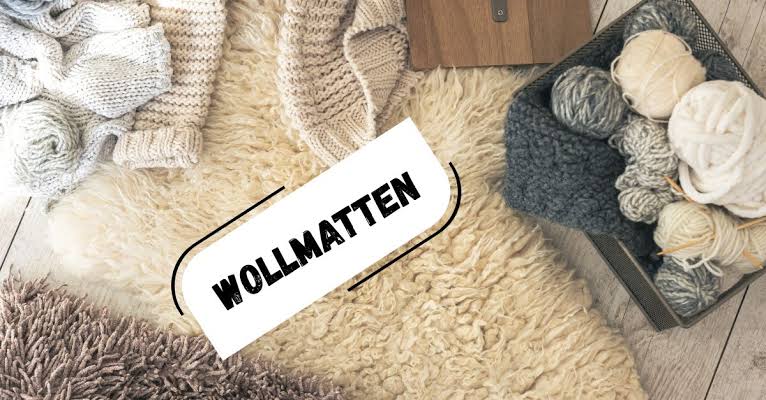
Introduction to Wollmatten
Wollmatten is a German term that translates to “wool mats” in English. These mats are made primarily from natural wool fibers and are valued for their durability, insulation properties, sustainability, and comfort. Wollmatten have been used for centuries in homes, agriculture, wellness practices, and even industrial settings. In recent years, growing interest in eco-friendly and natural products has brought wollmatten back into popularity across Europe and other parts of the world.
This article provides a complete overview of wollmatten, including their history, manufacturing process, types, benefits, uses, maintenance tips, and buying considerations.
History and Origin of Wollmatten
The use of wool dates back thousands of years. Ancient civilizations relied on wool for clothing, bedding, and insulation due to its warmth and availability. Wollmatten originated in regions where sheep farming was common, particularly in Germany, Austria, Switzerland, and Scandinavia.
Historically, wool mats were handmade using felting techniques. Families produced them at home for bedding, floor covering, and animal care. Over time, industrial production methods improved consistency and quality, allowing wollmatten to be used in modern architecture, wellness products, and sustainable living solutions.
How Wollmatten Are Made
1. Wool Selection
The process begins with high-quality sheep wool, often sourced from Merino or local sheep breeds. The wool is cleaned to remove dirt, grease, and impurities.
2. Carding and Felting
The wool fibers are carded (aligned) and then felted using moisture, heat, and pressure. Felting interlocks the fibers, creating a dense and durable mat without the need for chemical adhesives.
3. Shaping and Drying
The felted wool is shaped into mats of various thicknesses and sizes. The mats are then dried carefully to preserve their natural elasticity and structure.
4. Finishing
Some wollmatten are left untreated for a fully natural product, while others may receive light treatments for added durability or moth resistance using eco-friendly solutions.
Types of Wollmatten
Wollmatten are available in different forms depending on their purpose:
1. Floor Wollmatten
Used as rugs or carpets, these mats provide insulation, sound absorption, and comfort underfoot.
2. Bedding Wollmatten
Commonly used as mattress toppers or baby sleeping pads, they regulate temperature and moisture naturally.
3. Yoga and Meditation Wollmatten
Popular in wellness spaces, wool mats offer cushioning, warmth, and breathability.
4. Baby and Pet Wollmatten
Soft, hypoallergenic, and moisture-regulating, they are ideal for cribs, play areas, and pet beds.
5. Agricultural Wollmatten
Used in stables and barns for animal bedding due to their warmth and absorbency.
6. Insulation Wollmatten
Wool mats are increasingly used in eco-construction as natural thermal and acoustic insulation.
Key Benefits of Wollmatten
1. Natural Temperature Regulation
Wool fibers trap air, helping to keep surfaces warm in winter and cool in summer. This makes wollmatten ideal for year-round use.
2. Moisture Absorption
Wool can absorb up to 30% of its weight in moisture without feeling wet, making wollmatten excellent for humidity control.
3. Eco-Friendly and Sustainable
Wollmatten are biodegradable, renewable, and often produced with minimal environmental impact.
4. Hypoallergenic Properties
High-quality wool naturally resists dust mites and bacteria, making it suitable for allergy-sensitive individuals.
5. Durability and Longevity
Properly cared-for wollmatten can last for many years without losing their shape or function.
6. Fire Resistance
Wool is naturally flame-resistant and does not release toxic fumes when exposed to heat.
Uses of Wollmatten in Daily Life
Home Interior
Wollmatten are widely used as area rugs, hallway runners, and bedside mats. Their neutral appearance blends well with modern and traditional interiors.
Sleep and Bedding
Many people use wollmatten as mattress toppers or underlays to improve sleep comfort and spinal support.
Wellness and Therapy
In yoga studios, spas, and meditation centers, wollmatten are preferred for their grounding feel and warmth.
Baby Care
Parents often choose wollmatten for babies because they are chemical-free and naturally temperature-regulating.
Pet Comfort
Dogs and cats benefit from wool mats due to joint support and odor resistance.
Construction and Insulation
Architects and builders increasingly use wollmatten for natural wall, roof, and floor insulation.
Wollmatten vs Synthetic Mats
| Feature | Wollmatten | Synthetic Mats |
|---|---|---|
| Material | Natural wool | Plastic or foam |
| Sustainability | Eco-friendly | Non-biodegradable |
| Breathability | High | Low |
| Temperature Control | Excellent | Limited |
| Lifespan | Long | Moderate |
| Environmental Impact | Low | High |
While synthetic mats may be cheaper initially, wollmatten often provide better long-term value due to durability and health benefits.
How to Care for Wollmatten
Regular Maintenance
- Shake or vacuum gently to remove dust
- Air out occasionally in fresh air
Cleaning Tips
- Spot clean with cold water and mild wool detergent
- Avoid soaking or machine washing unless specified by the manufacturer
Drying
- Always air dry flat
- Keep away from direct heat sources
Storage
- Store in a dry place
- Use natural moth repellents like lavender or cedar
Proper care ensures that wollmatten maintain their shape, softness, and performance.
Buying Guide: How to Choose the Right Wollmatten
1. Wool Quality
Look for mats made from 100% natural wool without synthetic blends.
2. Thickness
Thicker mats offer more insulation and cushioning, while thinner ones are easier to maintain.
3. Purpose
Choose based on intended use—flooring, bedding, yoga, or insulation.
4. Certifications
Eco certifications and organic labels indicate higher quality and sustainable production.
5. Origin
Wollmatten from reputable European manufacturers are often associated with better craftsmanship.
Environmental Impact and Sustainability
Wollmatten support sustainable living by reducing reliance on petroleum-based materials. Wool production, when responsibly managed, promotes biodiversity and rural economies. Additionally, wool mats decompose naturally at the end of their life cycle, returning nutrients to the soil.
Future of Wollmatten
As awareness of climate change and sustainable living increases, wollmatten are expected to see greater demand. Innovations in wool processing and design are making them more versatile and accessible for modern consumers.
Architects, interior designers, and wellness professionals are increasingly recommending wollmatten as a natural alternative to synthetic materials.
Conclusion
Wollmatten are more than just wool mats—they represent a return to natural, sustainable, and health-conscious living. With their exceptional temperature regulation, durability, and eco-friendly nature, wollmatten are suitable for homes, wellness spaces, agriculture, and construction.
Whether used as a cozy floor mat, a supportive bedding layer, or an insulation solution, wollmatten offer long-term comfort and environmental benefits. Investing in wollmatten is not only a practical choice but also a responsible step toward a more sustainable lifestyle.