
introduction
New Orleans is a city of neighborhoods, each with its own rhythm, story, and soul. Among them, the Seventh Ward stands out as a place where the city’s Creole heritage, architectural character, and creative energy are not just preserved but lived every day. Stretching between the historic Esplanade Ridge and the Gentilly area, and threaded by corridors like St. Bernard Avenue, Broad Street, and A.P. Tureaud Avenue, the Seventh Ward is both anchor and bridge—linking old New Orleans traditions to the contemporary culture that keeps the city humming.
A Brief History Shaped by Creole Roots
The Seventh Ward’s identity is inseparable from the history of Creoles of color—free people of African, European, and Caribbean descent whose language, craftsmanship, cuisine, and cultural practices shaped the city long before the modern era. In the late 19th and early 20th centuries, the Ward became a center for Creole artisans—particularly builders, plasterers, carpenters, and bricklayers—who left their mark on the graceful cottages and shotguns that still line the streets. Many families here prized education, music, professional trades, and civic engagement, creating a neighborhood that nurtured teachers, lawyers, musicians, and entrepreneurs.
The Ward’s civil-rights legacy is profound, too. Its streets and churches were gathering points for community leadership and organizing. A.P. Tureaud, the pioneering civil rights attorney whose name now graces one of the Ward’s main avenues, symbolizes that tradition of advocacy and advancement.
Architecture You Can Read Like a Book
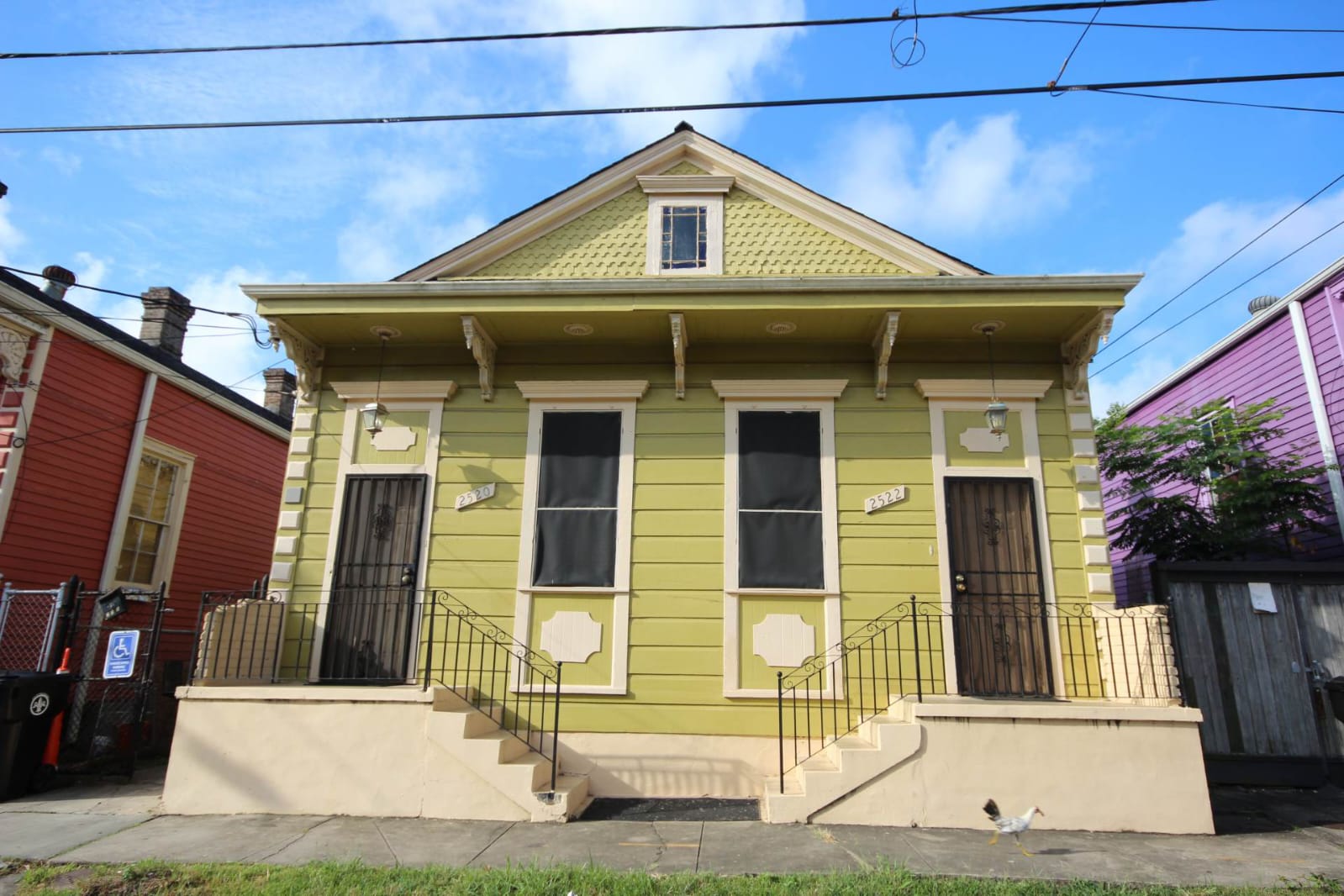
Stroll the Seventh Ward and you’ll read New Orleans history in wood and brick. Classic Creole cottages—low-slung, often set close to the street, with steep roofs and simple, elegant lines—sit alongside the quintessential New Orleans “shotgun” house, where rooms unfold in a straight line from front door to back. Many shotguns here evolve into doubles, camelbacks, or have finely carved brackets and porch columns that display the handiwork of the Ward’s historic guilds and tradesmen. On broader boulevards and corners, you’ll find larger homes with deep galleries and generous eaves, shaded by live oaks that thread together whole blocks in a green canopy.
Culture in Motion: Music, Parades, and Neighborhood Pride
New Orleans culture is never static, and the Seventh Ward embodies that motion. Brass bands rehearse in backyards; social aid and pleasure clubs step out on second lines that roll past neighbors waving from stoops; Mardi Gras Indian tribes stitch beadwork that tells stories in color and light. The Ward’s musical lineage touches jazz, R&B, bounce, brass, and gospel. Sunday afternoons and festival weekends often bring the soundscape into the open—snare drums, tuba lines, and call-and-response chants echoing across avenues.
Food is culture here, too. Corner stores and plate-lunch spots serve gumbo, red beans, fried fish, and po’boys that taste like home. Bakeries and kitchens keep Creole recipes alive—pralines, calas (rice fritters), bread pudding, and seasonal king cakes. For many families, those traditions are as important as any landmark, passed from one generation’s hands to the next.
Education and Community Institutions
The Seventh Ward’s commitment to education is reflected in its schools and community organizations. St. Augustine High School, long celebrated for academic rigor, marching-band excellence, and character formation, stands as a beacon of pride. Parish churches and community centers double as anchors for mentorship programs, food distribution, youth sports, and cultural workshops. Barbershops, salons, and small businesses serve as informal forums where news travels, advice is shared, and the fabric of everyday life is woven tighter.
Katrina, Recovery, and Everyday Resilience
Hurricane Katrina and the levee failures in 2005 left deep scars across New Orleans, and the Seventh Ward was no exception. Floodwaters damaged homes and displaced families, and the years after brought hard work—gutting, rebuilding, negotiating insurance and assistance, and reconstituting community life. The Ward’s comeback is a testament to its resilience: neighbors helping neighbors, skilled craftspeople returning to restore historic details, and new homeowners investing in the area’s future.
That recovery is ongoing, because resilience is not a single act—it’s a habit. Residents continue to organize around flood protection, infrastructure, affordable housing, and public safety. Block associations and neighborhood groups advocate for better lighting, drainage improvements, traffic calming, and youth programming. The result is a community that confronts challenges with the same persistence that built it in the first place.
Living in the Seventh Ward Today
Today’s Seventh Ward blends heritage with change. Some streets remain quiet and residential; others buzz with coffee shops, creative studios, and micro-businesses. Longtime residents and new arrivals share sidewalks and stoops. On any given evening, you might hear a porch conversation switch between English and a lilting local cadence; you’ll definitely catch the aroma of something good—barbecue, jambalaya, or seafood—drifting from a backyard.
The neighborhood’s location is a practical plus: minutes to the French Quarter and the Marigny, close to Mid-City and City Park, and connected by major thoroughfares. That accessibility has brought fresh attention and investment, and with it the balancing act familiar to many historic neighborhoods—welcoming new energy while protecting affordability and cultural memory.
What to Notice When You Visit
- The streetscape: Look for the interplay of narrow lots, deep porches, and rhythmic rooflines. Pay attention to ornament—brackets, cornices, and door surrounds that speak to handcraft traditions.
- Community landmarks: Churches and school campuses are touchstones. Local parks and neutral grounds become gathering spaces for parades and pop-up events.
- Sounds of the Ward: Brass rehearsals, porch music, and rolling second lines are part of daily life. If you happen upon a procession, be respectful—step aside, enjoy the music, and let the neighborhood’s heartbeat set your pace.
- Local flavor: Small kitchens and corner spots often cook the most memorable meals. Ask what’s on the plate today; trust the specials.
Safeguarding the Future
The Seventh Ward’s future depends on choices made block by block—restoring historic fabric, supporting intergenerational homeownership, cultivating youth opportunity, and keeping culture accessible. Residents, artists, educators, and business owners are the stewards of that future. Investment that centers community—grants for home repair, funding for cultural organizations and bands, stormwater management that respects the city’s low-lying geography—pays dividends in stability and pride.
Preservation here isn’t just about saving buildings; it’s about sustaining the social networks and living traditions that make those buildings matter. A well-kept Creole cottage with music drifting from its porch isn’t a museum piece; it’s proof that a culture is alive.
Why the Seventh Ward Matters
In a city that often dazzles visitors with marquee attractions, the Seventh Ward whispers and sings its story in everyday moments. It embodies New Orleans’ gift for transforming history into a living present: a place where a craftsman’s bracket meets a brass band’s riff, where a family recipe meets a classroom lesson, where an elder’s porch wisdom meets a young artist’s vision. The Ward reminds us that culture is not a festival you attend once a year; it’s a practice—daily, communal, and resilient.
Walk its blocks and you’ll feel it. The Seventh Ward is not just a point on a map. It’s a living archive, a workshop, a rehearsal room, and a dining table—one neighborhood that helps explain the soul of an entire city.