
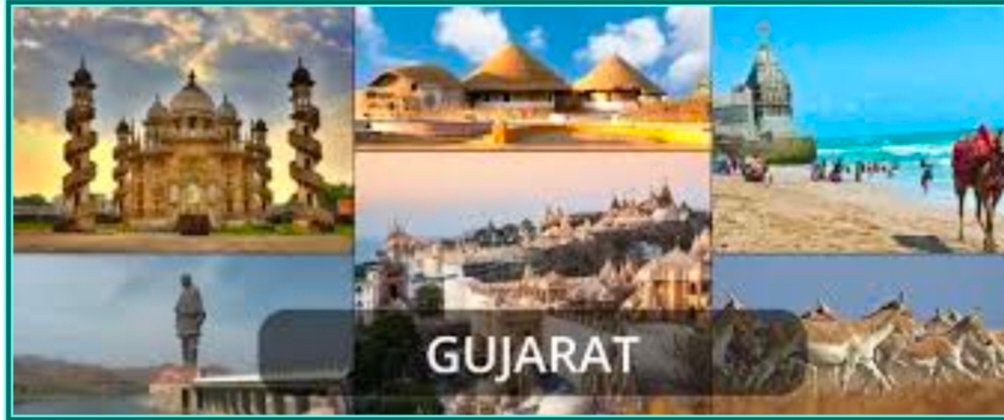
Gujarat, located on the western coast of India, is a vibrant state known for its rich cultural heritage, historical landmarks and diverse landscapes. Over the years, tourism in Gujarat has grown significantly, attracting travellers seeking a blend of tradition, spirituality, and natural beauty. From ancient temples to vast white deserts, the state offers a unique and immersive travel experience.
The steady growth of Gujarat Tourism reflects its ability to preserve its heritage while embracing modern infrastructure and hospitality.
Rich Cultural Heritage and Tradition
One of the defining features of tourism in Gujarat is its deep-rooted cultural heritage. The state is known for its colourful festivals, traditional dances, and vibrant handicrafts.
Events like the Navratri festival attract visitors from across the country and abroad. The energetic Garba and Dandiya Raas performances showcase the cultural richness of Gujarat.
In addition, local crafts such as bandhani textiles and handicrafts highlight the artistic traditions that have been preserved for generations.
Iconic Heritage and Historical Sites
Gujarat is home to several historical landmarks that contribute to its tourism appeal. The Rani ki Vav, a UNESCO World Heritage Site, is an architectural marvel known for its intricate carvings and stepwell design.
Another prominent attraction is the Somnath Temple, one of the most revered pilgrimage sites in India. These landmarks reflect the state’s rich history and spiritual significance.
Such destinations play a vital role in strengthening Gujarat Tourism by attracting both domestic and international visitors.
Natural Beauty and Unique Landscapes
Beyond its cultural and historical attractions, tourism in Gujarat is also defined by its diverse natural landscapes. The Rann of Kutch is one of the most iconic destinations, known for its vast white salt desert.
The Gir National Park is another major attraction, famous as the only natural habitat of the Asiatic lion. These destinations offer unique experiences for nature lovers and wildlife enthusiasts.
From coastal regions to forests, Gujarat provides a wide range of scenic environments that enhance its tourism appeal.
Religious and Spiritual Tourism
Spiritual tourism is a significant component of Gujarat Tourism. The state is home to several important religious sites that attract pilgrims throughout the year.
Temples such as Dwarkadhish Temple and Somnath are deeply rooted in Indian mythology and culture. These sites not only serve as places of worship but also as centres of cultural heritage.
The spiritual significance of these destinations adds depth to the overall tourism experience in Gujarat.
Modern Infrastructure and Connectivity
The growth of tourism in Gujarat has been supported by improved infrastructure and connectivity. Well-developed roads, airports, and railway networks make it easier for travellers to access different parts of the state.
Government initiatives have also focused on enhancing tourist facilities, including accommodation, transportation, and digital services. These developments have made Gujarat a convenient and attractive destination for tourists.
Festivals and Cultural Events
Festivals play a major role in promoting Gujarat Tourism. The Rann Utsav is a prime example, offering visitors a chance to experience the culture, music, and traditions of the region.
Such events create a vibrant atmosphere and provide opportunities for tourists to engage with local communities. They also contribute to the economic growth of the region by boosting tourism-related activities.
Conclusion
Tourism in Gujarat offers a unique combination of culture, heritage, and natural beauty, making it one of India’s most diverse travel destinations. From historical landmarks and spiritual sites to stunning landscapes and vibrant festivals, the state provides an enriching experience for every traveller.
With continued investment in infrastructure and promotion, Gujarat Tourism is set to grow even further, attracting more visitors and contributing to the state’s economic and cultural development.