
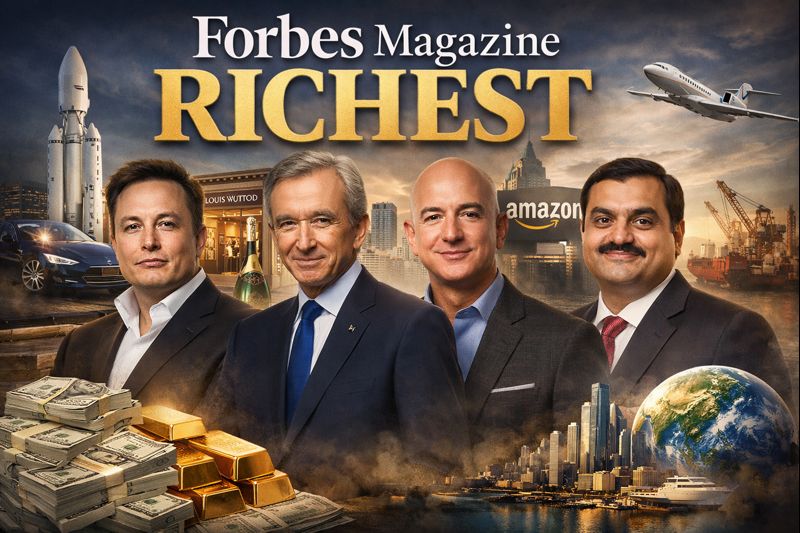
Forbes Magazine has long been the definitive source for tracking the wealth and financial accomplishments of the world’s richest people. Each year, the publication compiles a list of billionaires, highlighting not just their net worth but also their business ventures, investments, and lifestyle. The Forbes richest list provides a fascinating snapshot into the global economy, illustrating which industries are thriving and how wealth is concentrated in different regions.
The History of Forbes’ Richest List
Forbes first published its list of the world’s wealthiest individuals in 1987, beginning with a modest count of billionaires compared to the thousands tracked today. Over the decades, the list has evolved, reflecting changes in the global economy, technological advancements, and shifting market dynamics. Initially dominated by industrialists and financiers, the modern list is increasingly influenced by technology entrepreneurs, digital innovators, and investors.
The magazine’s methodology for ranking billionaires is meticulous. Forbes evaluates public holdings, private companies, real estate, art, and other valuable assets. They also consider debt obligations and market fluctuations to estimate net worth as accurately as possible. This rigorous approach ensures that the Forbes richest list is not merely a collection of names but a detailed portrait of global wealth.
The Current Titans of Wealth
In recent years, technology has reshaped the wealth landscape, propelling individuals like Elon Musk, Jeff Bezos, Bernard Arnault, and Gautam Adani to the top of Forbes’ rankings.
- Elon Musk – The CEO of Tesla and SpaceX, Musk’s fortune is heavily tied to his stake in Tesla, which has experienced rapid growth in stock value. His ventures into space technology and AI further solidify his presence as a transformative entrepreneur.
- Jeff Bezos – Founder of Amazon, Bezos revolutionized e-commerce. Even after stepping down as CEO, his wealth continues to grow through Amazon stock holdings and ventures such as Blue Origin.
- Bernard Arnault – The French luxury magnate heads LVMH, a conglomerate encompassing brands like Louis Vuitton, Dior, and Moët & Chandon. Luxury goods remain resilient, and Arnault’s wealth reflects global demand for high-end products.
- Gautam Adani – As India’s industrial powerhouse, Adani commands a vast empire spanning energy, infrastructure, and logistics. His rapid rise underscores the growth potential in emerging markets.
These individuals not only represent immense personal fortunes but also serve as indicators of economic trends. For instance, the dominance of tech billionaires reflects the increasing global reliance on technology and digital platforms. Meanwhile, the rise of entrepreneurs in developing economies shows the expanding scope of global wealth creation.
Wealth Across Industries
While technology and e-commerce dominate the top of the Forbes richest list, other industries continue to contribute significantly to global wealth. Key sectors include:
- Finance and Investments
Warren Buffett, often referred to as the “Oracle of Omaha,” exemplifies wealth built through strategic investments. Finance remains a consistent source of billionaires, with hedge fund managers, private equity investors, and bankers regularly appearing on the list. - Luxury Goods and Fashion
Bernard Arnault and his family illustrate the enduring appeal of luxury products. Other fashion and lifestyle billionaires leverage brand value and global distribution networks to maintain and grow their wealth. - Industrial and Manufacturing
Traditional industries, such as energy, infrastructure, and manufacturing, continue to produce billionaires. For example, the Adani Group in India and industrial tycoons in China and the U.S. exemplify wealth rooted in production and logistics. - Healthcare and Pharmaceuticals
The pandemic highlighted the immense potential of the healthcare sector. Innovators in biotechnology, pharmaceuticals, and medical devices have climbed the Forbes list, with fortunes derived from groundbreaking research and medical solutions. - Media and Entertainment
Media moguls, film producers, and sports franchise owners are increasingly represented. With the rise of streaming platforms, influencers, and digital entertainment, new avenues for wealth creation are emerging in this sector.
Regional Distribution of Wealth
Forbes’ richest list also offers insights into the geographic distribution of billionaires.
- North America dominates the list, largely due to technology, entertainment, and finance.
- Europe is strong in luxury goods, fashion, and industrial sectors.
- Asia, particularly China and India, is experiencing rapid growth in the number of billionaires, driven by manufacturing, technology, and real estate.
- Other regions, including the Middle East and Latin America, are represented as well, often through energy, commodities, and family-run conglomerates.
This regional diversity reflects global economic trends, illustrating how wealth is spreading beyond traditional centers such as the U.S. and Europe. It also indicates where future economic growth may emerge.
How Wealth Is Calculated
Forbes’ method of estimating net worth is sophisticated. The publication considers both liquid assets and illiquid holdings, including:
- Stock ownership in public companies
- Private business stakes
- Real estate holdings
- Art collections
- Other luxury assets
Forbes also accounts for debts and liabilities, ensuring the net worth reflects a realistic picture of wealth. Additionally, market fluctuations can cause significant swings in an individual’s ranking, especially for those heavily invested in stocks or volatile sectors like cryptocurrency.
The Role of Entrepreneurship and Innovation
A recurring theme among Forbes’ wealthiest individuals is entrepreneurial vision. Many of today’s billionaires built their fortunes from the ground up by creating innovative products or services. Consider the rise of tech giants like Elon Musk, Jeff Bezos, and Mark Zuckerberg, whose companies disrupted traditional markets.
Innovation is not just about creating new products but also about redefining business models. Subscription services, AI-driven solutions, and e-commerce platforms are modern examples where entrepreneurship intersects with technology to generate unprecedented wealth.
Lessons from the World’s Richest
Studying Forbes’ richest individuals offers valuable insights for aspiring entrepreneurs and investors:
- Diversification Matters – Many billionaires diversify their holdings across industries, reducing risk while increasing opportunities.
- Long-Term Vision – Wealth creation often requires patience, innovation, and foresight.
- Global Perspective – Billionaires frequently expand their business globally, tapping into emerging markets and new customer bases.
- Adaptability – Rapid technological and economic changes demand flexibility. Those who adapt remain relevant and continue to grow their fortunes.
Philanthropy and Social Impact
An increasing number of billionaires are using their wealth for social causes. The Giving Pledge, initiated by Bill Gates and Warren Buffett, encourages the world’s wealthiest to donate a significant portion of their fortune to philanthropy. Causes include education, healthcare, environmental conservation, and poverty alleviation.
Philanthropy highlights a critical dimension of wealth: its potential to influence society positively. While critics argue that billionaires should pay higher taxes, charitable giving demonstrates a voluntary approach to addressing global challenges.
The Future of Wealth
Looking ahead, several trends are shaping the future of global wealth:
- Technological Advancements – AI, robotics, biotechnology, and blockchain will create new billionaires in emerging sectors.
- Sustainability – Renewable energy and environmentally friendly innovations may drive the next wave of wealth.
- Global Markets – Developing economies will continue producing billionaires as urbanization, infrastructure development, and digital adoption accelerate.
- Social Responsibility – Billionaires are increasingly evaluated not only on wealth but also on their social impact, transparency, and ethical practices.
The Forbes richest list is not static. It evolves with the economy, technology, and societal values, reflecting a complex interplay of innovation, market forces, and personal ambition.
Conclusion
Forbes Magazine’s list of the richest individuals offers more than a glimpse into wealth—it is a lens into global economic trends, entrepreneurial spirit, and human ambition. From tech innovators to industrial magnates, these individuals shape industries, influence markets, and sometimes, even transform societies. Understanding how these billionaires acquire, maintain, and deploy their wealth provides invaluable insights into the mechanisms of success, the future of business, and the potential for positive global impact.
As the world changes, Forbes will continue documenting this ever-shifting landscape, revealing both the opportunities and challenges that come with extreme wealth. For readers, investors, and aspiring entrepreneurs alike, the Forbes richest list remains an inspiring guide to ambition, strategy, and financial acum